
24 Hour To 14 Day ECG Holter Monitor London
£390-£900
Free Preliminary Assessment | Same-Day Appointments
A Holter Monitor, also known as an Ambulatory ECG Monitor, continuously records your heart’s electrical activity for 24 hours or longer to detect irregularities that may not appear during a standard ECG.

+44 7535 984 305
What Is An ECG Holter Monitor?
A cardiac Holter Monitor is a small wearable device that records your heart’s rhythm and electrical signals for 24 to 48 hours, or even up to 14 days for extended monitoring. Modern Holter monitors are wireless, allowing you to perform your daily activities freely while your heart’s rhythm is continuously recorded.
Fitting An ECG Holter Device
An ECG monitoring device is quickly and easily fitted during your clinic visit. Small, lightweight adhesive electrodes are attached to your chest and connected to a recording unit worn around your waist or shoulder. The device continuously tracks your heart rhythm for 24 hours or longer, depending on the duration recommended by your cardiologist.
Once the monitoring period ends, you return the Holter device along with notes of any symptoms experienced during this time. This helps your cardiologist accurately correlate your symptoms with the recorded heart activity and reach a precise clinical assessment.
What Are The Different Types Of ECG Holters?
Traditional Holters
A small, wearable ECG device that continuously records the heart’s electrical activity for a set time period.
Patch Holter Monitor
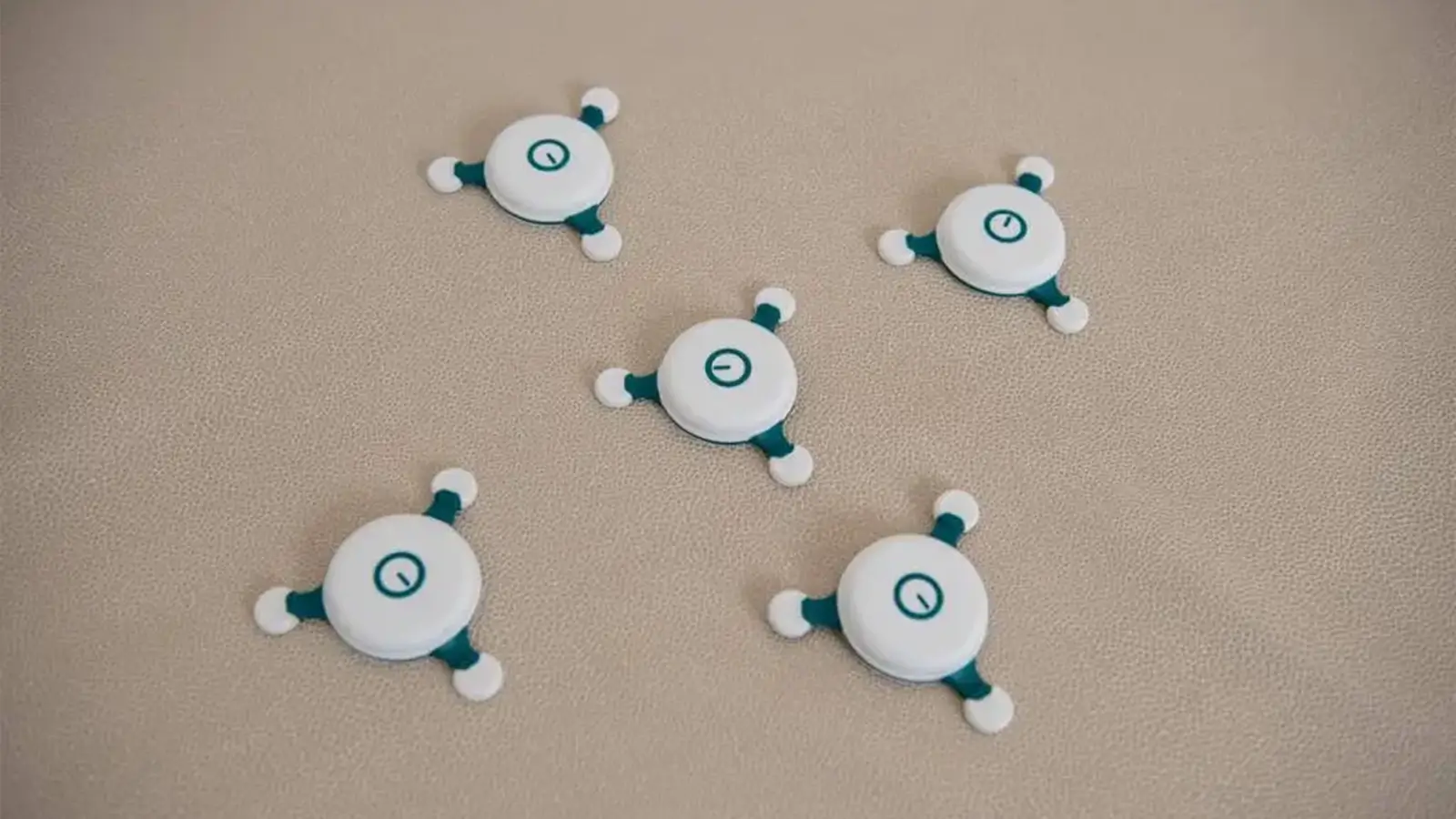
A Patch Holter Monitor is a modern, lightweight, and mostly water-resistant ECG device that tracks your cardiac condition for an extended period of time (up to 2 weeks).
Event Holter Monitor
An Event Holter Monitor doesn’t work continuously. Patients wear it but only activate it when they feel symptoms, such as irregular heartbeat, palpitations, dizziness, or fainting. This device is particularly useful for understanding infrequent issues.
Wireless Holter Monitors
Advanced wireless Holter monitors continuously record your heart’s activity, allowing doctors to securely access the data in real time through a mobile phone.
Why Do You Need ECG Monitoring Via Holter?
Your cardiologist may recommend heart monitoring with a Holter device if you experience unexplained chest pain, palpitations, dizziness, or have a known heart condition. Continuous heart rhythm tracking may be advised for individuals with a family history of heart disease, hypertension, or diabetes, or for those recovering from a heart attack or cardiac procedure.
Irregular Heartbeat
Frequent episodes of skipped, rapid, or irregular heartbeats often require extended monitoring. A Holter electrocardiography is used to record the heart activity, helping identify the cause and pattern of arrhythmias.
Chest Pain
Recurring chest pain, particularly during physical activity, can indicate an underlying heart condition. Continuous ECG monitoring allows your cardiologist to assess heart rhythm changes linked to symptoms over time.
Cardiomyopathy
It is a condition affecting the heart muscle that can arise from several underlying causes. Continuous monitoring of heart rhythm and pumping function with a Holter ECG helps your cardiologist identify the underlying cause more accurately.
Atrial Flutter
Atrial flutter is characterised by an abnormally fast rhythm in the heart’s upper chambers, often around 300 beats per minute. Holter monitoring helps detect these rapid electrical signals and supports accurate diagnosis.
Atrial Fibrillation
In a normal sinus rhythm, electrical impulses move through the heart in an organised sequence. In atrial fibrillation, the upper chambers beat irregularly. Holter ECG monitoring over 24 to 48 hours or longer is often required to determine the underlying cause.
Book a Private ECG Holter Monitor Test In London
The National Heart Clinic provides the best private Holter monitoring test facility with same-day booking and expert cardiologist review. Located in the heart of Harley Street, our specialists combine advanced technology with personalised care to ensure accurate diagnosis and timely treatment.
Faqs
Book an Appointment Online
Schedule a consultation online with the best Harley Street Cardiologists and get access to expert opinion, efficient diagnostics, and a personalised approach to your heart care.
What Our Patients Say?
Every heartbeat tells a story! Read how our patients found hope, healing, and confidence in our cardiology health services.