
Electrocardiogram(ECG) In London
£150
Urgent Same-day Access
An electrocardiogram, also known as ECG or EKG, is a non-invasive medical test to monitor your heart’s rhythm and electrical activity. It is particularly recommended for anyone suspected of Coronary Heart Disease, Heart Attack, Cardiomyopathy, or Arrhythmia. Appointments are available 6 days a week – No GP referral required.
+44 7535 984 305
What Is An Electrocardiogram(ECG)?
ECG is an abbreviated term for Electrocardiogram. It is a quick, painless diagnostic test to record your heart’s electrical activity. The recorded data is received in a waveform that helps cardiologists analyse your cardiac rhythm and detect abnormalities.
How Is An ECG Test Performed?
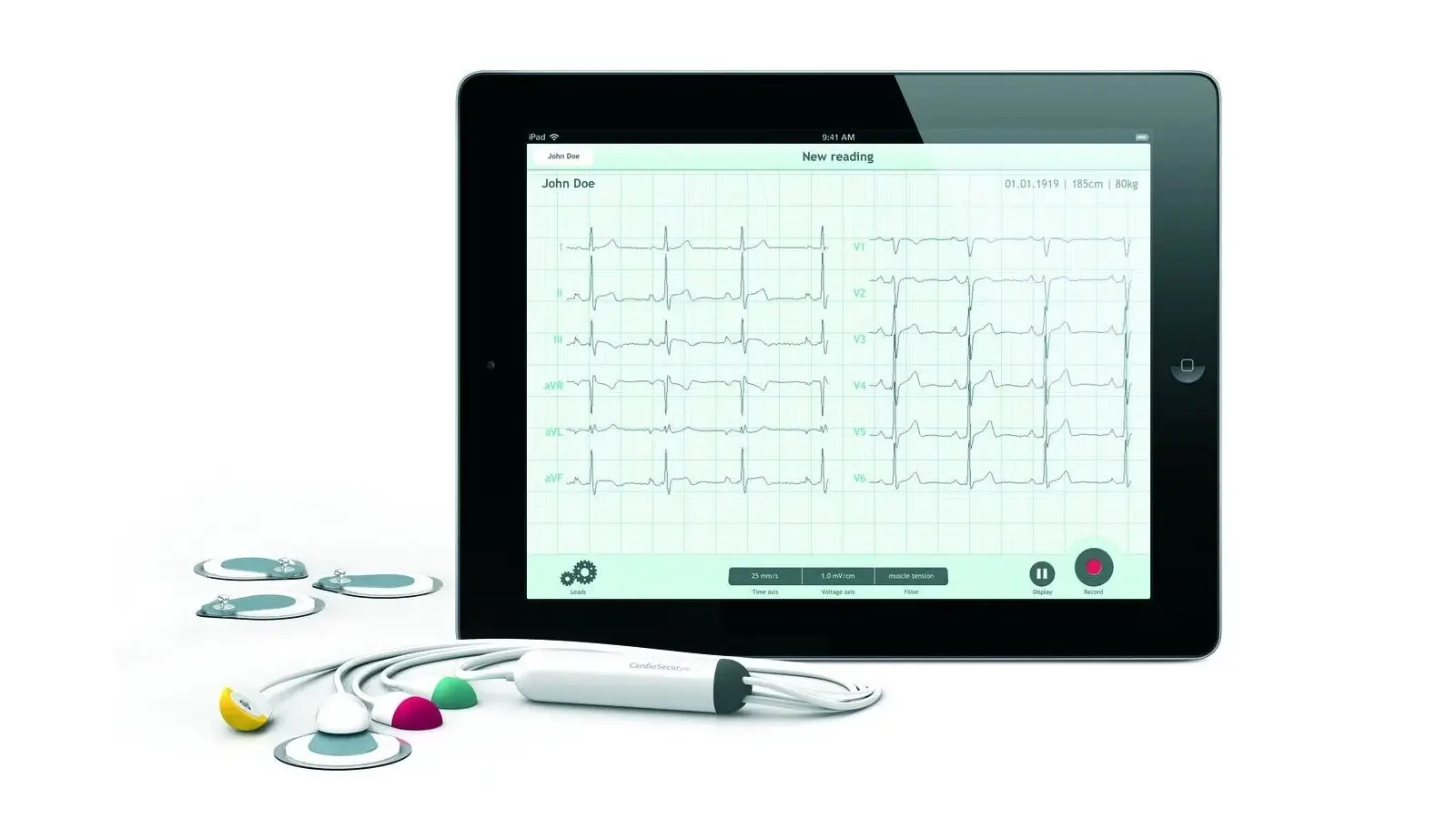
Before an ECG test, small adhesive electrodes are attached to the patient’s chest and limbs at different points. Then a small amount of lubricating gel is applied to your skin to help move the probe easily on your skin, and carefully record the heart’s rhythm.
The electrodes are connected to an ECG machine, which records the heart’s electrical activity with each beat. A graph of the cardiac activity develops through the echoes that bounce back. Usually, an ECG test takes around 10 minutes, during which the pattern of your heart’s electrical impulses is monitored.

What Does An ECG Wave Form Explain?
An ECG waveform, also known as the PQRST wave, represents the cardiac rhythm in different sections.
What Are The Different Types of Electrocardiogram(ECG)?
ECG Holter Monitor
A Holter monitor is a portable ECG device that records your heart’s electrical activity continuously for 24 hours or more. It helps your cardiologist detect irregular heart rhythms and assess your heart’s function during normal daily activities.
Stress ECG
An Exercise ECG, or stress ECG, helps monitor your breathing rate and BP during a physical activity such as walking on a treadmill or cycling. It helps detect cardiac conditions, such as narrowing of the arteries, valvular heart disease or CAD, as well as determine safe exercise levels after a heart attack or surgery.
Resting 12-Lead EKG
A resting 12-lead ECG is a standard test performed while you lie still. It records your heart’s electrical activity from 12 points on the body, helping detect heart conditions early, even before symptoms appear.
Cardiopulmonary Exercise Test (CPET)
A Cardiopulmonary Exercise Test (CPET) measures how your heart, lungs, and muscles respond during exercise. It helps identify underlying cardiac or pulmonary diseases and determine how well your body uses oxygen during physical activity.
Why Do You Need Heart Monitoring Via ECG?
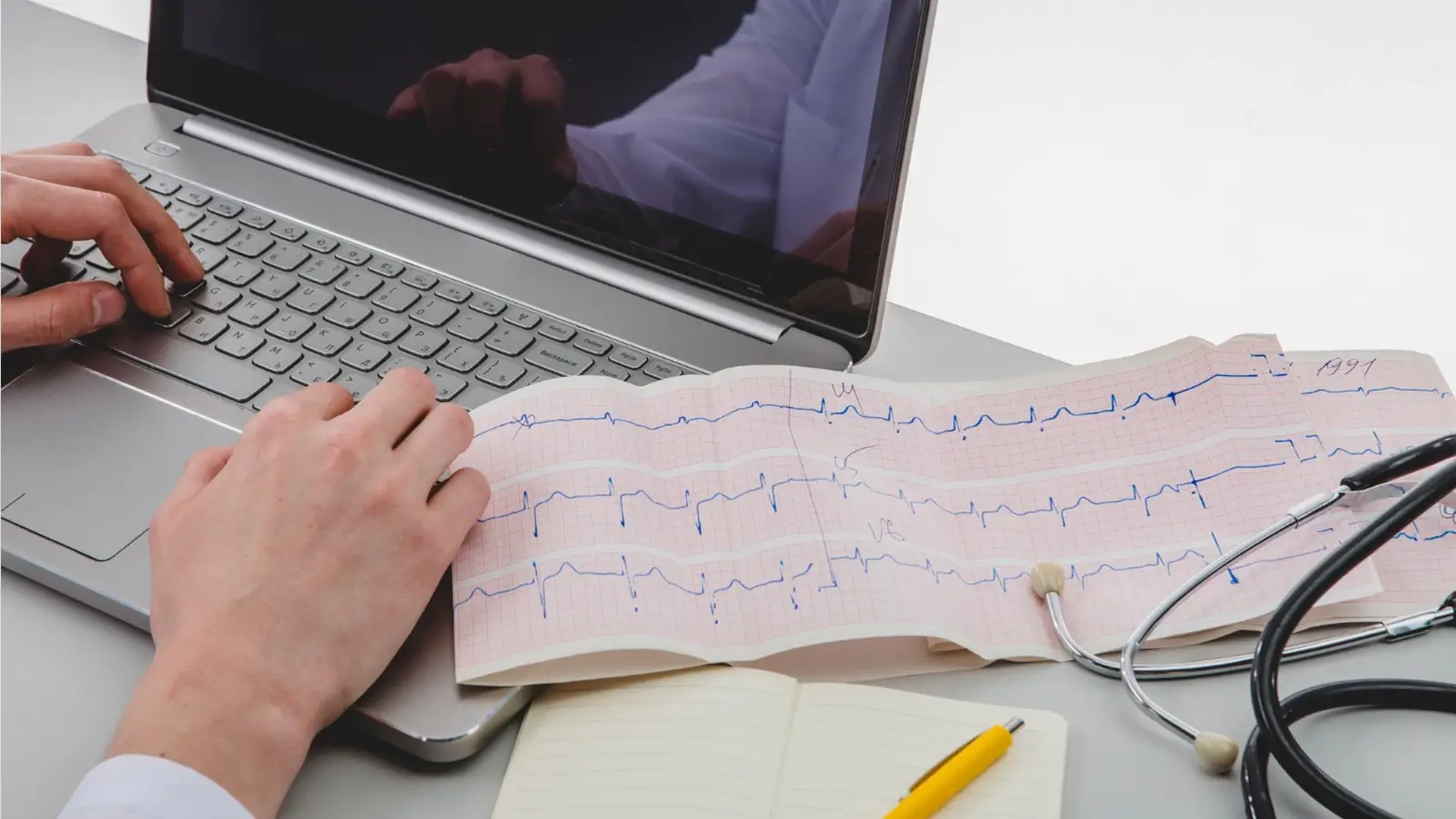
An ECG is a simple yet highly useful heart test to identify early warning signs of heart disease, track ongoing symptoms, and decide on timely treatment. Commonly, this test is performed for the following reasons:
Detecting Heart Conditions
Arrhythmias
An ECG scan is an effective diagnostic tool for detecting arrhythmias or abnormal heart rhythms that may cause palpitations, dizziness, or fainting. Early detection can help your doctor determine the underlying cause and prevent complications.
Myocardial Infarction (Heart Muscle Damage)
An Electrocardiogram can identify heart rhythm disturbances associated with myocardial infarction (heart muscle damage). An ECG test can detect any blood flow restriction through the heart, helping clinicians diagnose the severity and location of the affected area.
Congenital Heart Defects
An ECG can also detect electrical abnormalities caused by congenital heart defects. This cardiac test helps in early identification of rhythm disturbances or structural concerns, making it possible to start treatment on time and manage problems from an early stage of life.
History of a Previous Heart Attack
After a heart attack, an ECG is essential for identifying ongoing electrical changes, scarring, or reduced heart muscle function. It helps assess recovery, detect silent complications, and guide long-term treatment to reduce the risk of future cardiac events.
Pacemaker Monitoring
ECGs are generally used to identify the functioning of the pacemakers, i.e., if they are delivering impulses at the right time. A proper ECG test can identify any errors, lead issues, or rhythm irregularities to ensure optimal performance.
Evaluating Treatment Effectiveness
An ECG allows clinicians to monitor how well heart medications or interventions are working. It helps assess improvements in cardiac rhythm, detect side effects, and adjust treatment plans to achieve better heart health outcomes.
Book a Private Electrocardiogram(ECG) In London
At The National Heart Clinic, you receive the best cardiac care from nationally recognised ECG specialists in London. We offer precise diagnosis, fast access, and same-day appointments for urgent or emergency needs. Our 24/7 local support ensures you receive reliable heart ECG testing and care you can rely on.
Book a private ECG at our Harley Street Clinic in London for fast, accurate heart monitoring with same-day results. Schedule an affordable ECG appointment with specialist cardiac consultants to monitor your heart health.
Faqs
Book an Appointment Online
Schedule a consultation online with the best Harley Street Cardiologists and get access to expert opinion, efficient diagnostics, and a personalised approach to your heart care.
What Our Patients Say?
Every heartbeat tells a story! Read how our patients found hope, healing, and confidence in our cardiology health services.