
Atrial Fibrillation (AFib): Symptoms, Causes, and Treatment
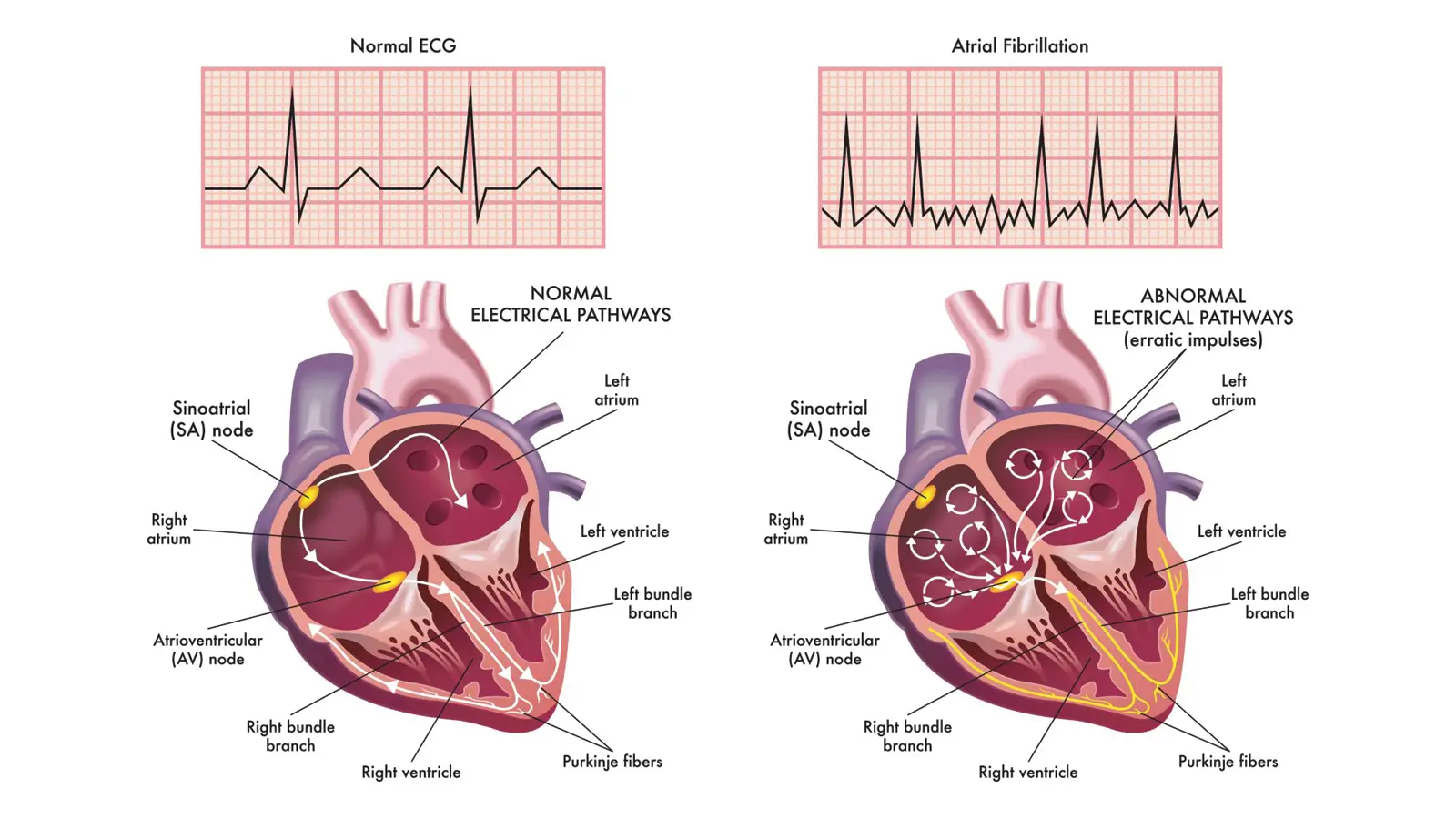
Atrial Fibrillation, also called AF or AFib, is a heart condition in which the atria (the heart’s upper chambers) beat chaotically and irregularly. Unmanaged AFib can lead to serious complications, including a heart attack, a stroke, or blood clotting.
+44 7535 984 305
What is Atrial Fibrillation?
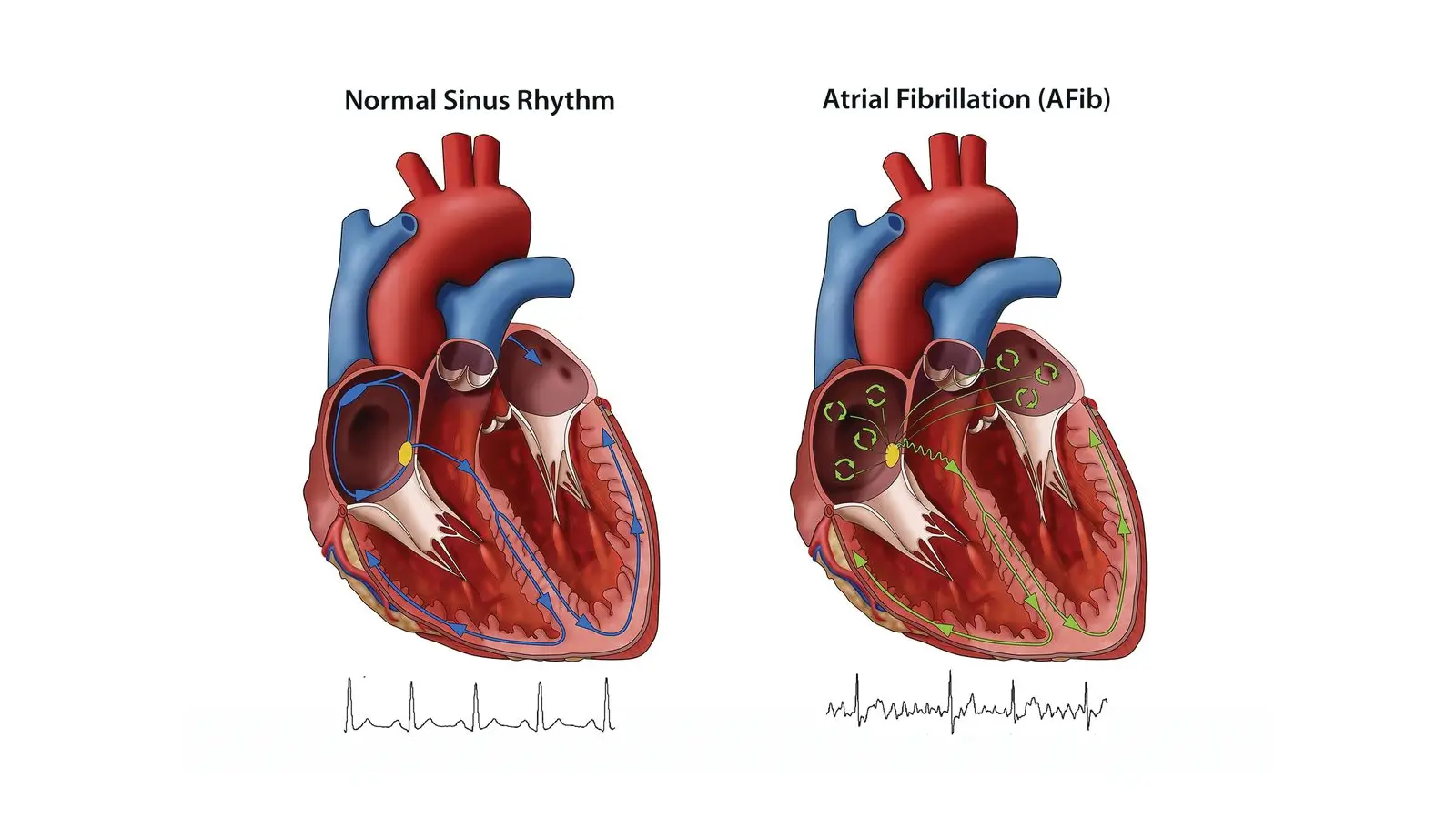
AFib (Atrial Fibrillation) is a common heart rhythm disorder in which your heart beats irregularly, either too fast or too slow. It occurs due to a disruption in the heart’s electrical system, causing the atria to beat in a rapid and uncoordinated way, which prevents the heart muscles from relaxing properly. This disturbs the normal flow of blood into the lower chambers of the heart (ventricles), leading to irregular rhythm, palpitations, or shortness of breath.
What Causes AFib?
AFib is usually triggered by abnormal electrical signals that interfere with the heart’s natural pacemaker, leading to an irregular heartbeat and pulse. The exact cause of these abnormal cardiac rhythms is still unknown; however, the risk increases in older people due to age-related changes in the heart. Here are some other common causes of AFib:
Atrial Fibrillation Symptoms
Many people with atrial fibrillation may not notice any symptoms, especially in the early stages. In some cases, the condition is only identified after complications develop, which is why it can remain undiagnosed for years. Some common symptoms may include:
If you’re experiencing any symptoms of AFib, it is important to seek medical advice. Contact our team to schedule your consultation with one of our specialists to assess your symptoms and discuss the most appropriate next steps.
Types of Atrial Fibrillation
Paroxysmal AFib
Sudden recurrence of symptoms that lasts one day to a week and may not require any treatment.
Persistent AFib
May lasts for more than a week and usually requires medical intervention to return your heart rhythm to normal.
Long-Standing AFib
An irregular heart rhythm that lasts for more than a year and may require medication, lifestyle changes, and proper treatment, like cardioversion or ablation.
Permanent AFib
Permanent atrial fibrillation is the most advanced form of AFib, where the irregular heart rhythm becomes ongoing and cannot be restored to a normal rhythm. It often develops over time, progressing from paroxysmal (intermittent) to persistent AFib, and eventually becoming long-term or permanent.
Potential Risks and Complications
If left untreated, atrial fibrillation (AF) can lead to serious health complications. The irregular heartbeat can cause blood to pool in the heart, increasing the risk of clot formation, which may travel to the brain and cause a stroke. AF can also place extra strain on the heart, potentially leading to heart failure or worsening existing heart conditions.
People with underlying conditions such as diabetes or high blood pressure, as well as older adults, are at a higher risk of developing these complications. Early diagnosis and appropriate management are important to reduce these risks and protect long-term heart health.
Our Specialists’ Diagnostic Approach to Atrial Fibrillation
At The National Heart Clinic, our specialists take a comprehensive and patient-focused approach to diagnosing atrial fibrillation (AFib). The process begins with a detailed physical examination, along with a thorough review of your medical and family history.
A normal resting heart rate typically ranges between 60 and 100 beats per minute, whereas, in atrial fibrillation, it becomes irregular and may exceed 100 beats per minute.
If AFib is suspected, a cardiologist may recommend further tests to evaluate your heart’s rhythm and overall function. These may include:
Management and Treatment for Atrial Fibrillation
The AFib treatment depends on your symptoms, underlying cause, and how long you have had the condition. Your cardiologist decides a personalised treatment plan with the main goals of restoring a normal heart rhythm and reducing the risk of blood clotting.
Common atrial fibrillation treatments include lifestyle modifications, medication, electrical cardioversion, or catheter ablation. In some cases, AFib may be triggered by an underlying health condition or certain medications. Managing that condition or adjusting your medication after consulting with your GP can help improve symptoms and overall heart rhythm.
Lifestyle Adjustments to Manage AFib Symptoms
Identifying and avoiding your triggers, along with making healthy lifestyle changes, plays a key role in managing AFib effectively. These may include:
When to See a Specialist?
You should consider seeing a specialist as soon as possible if you notice any changes in your heart rhythm or symptoms that are persistent or worsening. Seek medical advice if:
Why Choose The National Heart Clinic?
Our patients receive exceptional cardiac care from London’s top heart specialists. We combine advanced diagnostics, personalised treatment, and compassionate care to optimise your cardiovascular wellness. At The National Heart Clinic, you can expect:
Book a Private Consultation Today
Book an appointment with a cardiac consultant at The National Heart Clinic and get expert assessment, accurate diagnosis, and a personalised treatment plan to manage your AFib effectively.
FAQs
Book an Appointment Online
Schedule a consultation online with the best Harley Street Cardiologists and get access to expert opinion, efficient diagnostics, and a personalised approach to your heart care.
What Our Patients Say?
Every heartbeat tells a story! Read how our patients found hope, healing, and confidence in our cardiology health services.