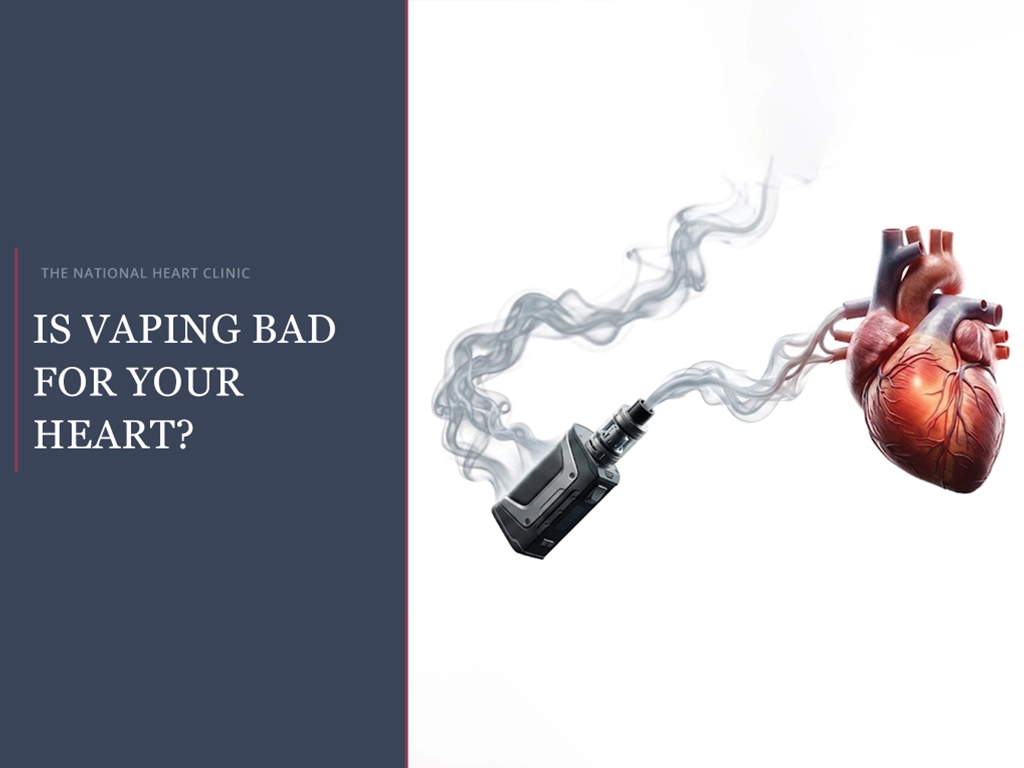
Is Vaping Bad for Your Heart? What the Latest Research Shows?
Vapes, or electronic cigarettes, were originally introduced in the early 2000s as a safer alternative to traditional smoking. However, emerging research now shows that although vaporisers have fewer toxic substances than conventional cigarettes, they cannot be considered harmless. Long-term use may also lead to cardiovascular complications, including blood vessel damage, high blood pressure, and irregular heart rhythms.
If you are planning to switch from traditional smoking to vapes, it is important to thoroughly research the possible advantages of switching, whether it is safer than smoking, how it may affect heart health, and what long-term risks it may carry. This article provides a comprehensive overview of the latest research about vaping, along with a quick comparison between traditional cigarettes and vapes.
What are e-cigarettes/vapes?
Electronic cigarettes or vapes are devices that heat a liquid – usually containing nicotine, propylene glycol, vegetable glycerine, and flavourings – to create vapour that users inhale as an aerosol rather than smoke.
Although vapourisers may contain fewer toxic substances than traditional cigarettes, they still contain addictive nicotine and other potentially harmful chemicals. However, they do not produce tar or carbon monoxide, extremely toxic chemicals produced by burning tobacco. Still, this does not make e-cigarettes risk-free.
Is Vaping Safer Than Smoking Cigarettes?
‘Vaping is safer than smoking.’ You have probably heard this many times. According to experts, the reality is far more complex. Many now consider this statement a myth, warning that vaping can quietly damage cardiovascular health and may lead to serious complications.
Compared with tobacco smoking, vapourisers may pose a lesser risk to heart health due to having fewer harmful substances. However, it does not mean vaping is safe or free from consequences.
Even nicotine-free vapes can contain chemicals that negatively affect the heart and blood vessels. Substances such as aldehydes and acrolein found in vape aerosols may irritate the lungs, damage blood vessel linings, and trigger inflammation, increasing cardiovascular risk manyfold.
Why is Vaping Bad for Your Heart? Nicotine and Heart Health
Although there is still a significant gap in research on the effects of e-cigarettes on cardiovascular wellbeing, the available evidence suggests that vaping is harmful for heart health.
Latest research indicates that long-term use of e-cigarettes may increase the risk of myocardial infarction (heart attack). Another recent study reveals that dual users who vape and smoke traditional cigarettes may be at a greater risk of MI than those who use e-cigarettes alone.
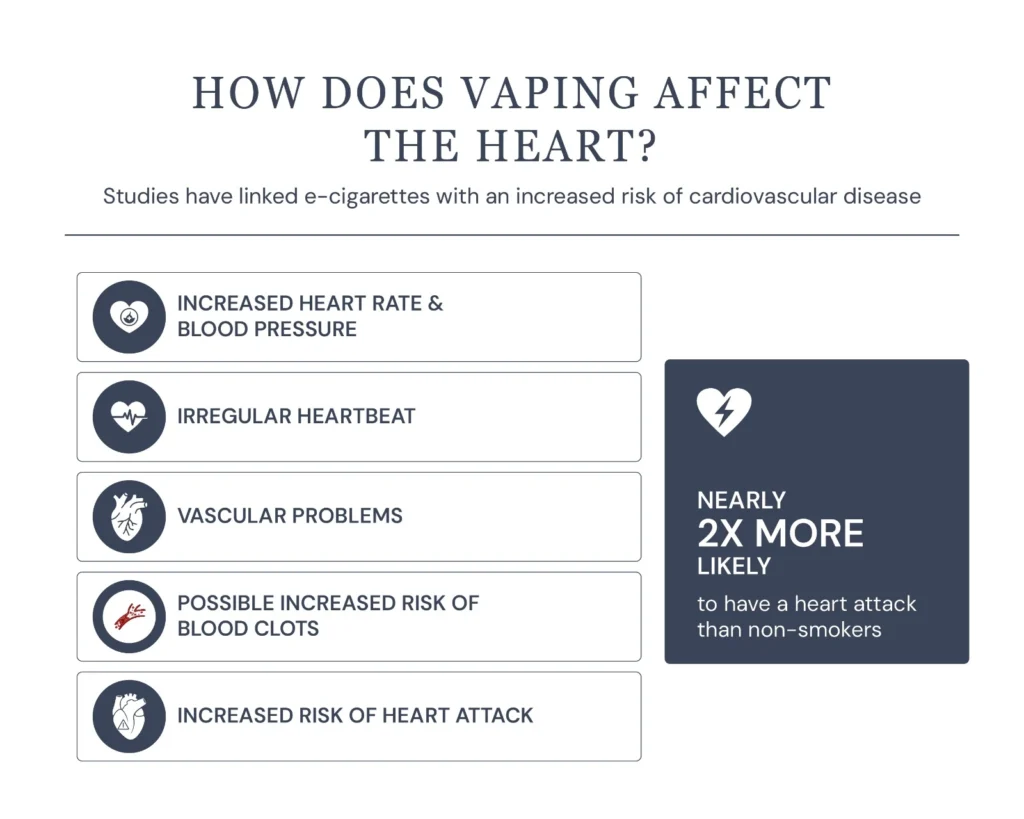
Here is how exactly vaping can affect cardiac health:
- Increase blood pressure and heart rate (around 4 beats per minute), placing extra strain on the heart over time.
- Chemicals found in vape aerosols may trigger inflammation and oxidative stress, making arteries stiffer and more fragile. This damage may accelerate vascular ageing and increase the risk of heart disease.
- Damages the endothelium (the inner lining of blood vessels), leading to atherosclerosis (hardening of the arteries).
- Nicotine and other stimulants in vaping products can activate the body’s ‘fight or flight’ response and reduce heart rate variability, which may lead to irregular heart rhythms (arrhythmias) and, in severe cases, sudden cardiac arrest.
The UK Government’s Move Towards a Smoke-Free Generation
Smoking is one of the leading causes of death in the UK, contributing to around 80,000 deaths each year because of its adverse effects on the lungs and cardiovascular health. Considering this major health concern, the UK government has recently introduced major legislation aimed at creating a smoke-free generation. The bill was granted Royal Assent on April 29, 2026, marking a historic step towards a smoke-free UK.
Vape and Traditional Cigarette: Risks for Dual Users
Dual Users are at a higher risk of cardiovascular complications compared to people who only vape. Many people continue smoking while trying to switch to electronic cigarettes. However, they remain exposed to combustible toxins from cigarettes and high doses of nicotine in vapes until they completely shift to vaping. This combined exposure can place even greater strain on the heart and blood vessels.
Dr Francesco Lo Monaco, a highly experienced preventive cardiologist with specialist expertise in heart rhythm disorders, hypertension, and cardiovascular risk assessment, highlights the importance of avoiding dual use. He emphasizes quitting combined nicotine and toxin exposure to protect long-term heart health and avoid serious complications.
Take the First Step to Quit Vaping
According to experts, no product containing nicotine can be considered completely safe for cardiovascular health. Specialists at The National Heart Clinic advise that quitting both smoking and vaping is one of the best steps to protect your heart, reduce inflammation, and give your system the best chance to recover.
However, stopping vaping suddenly is not recommended. Instead of trying to manage it alone, speak with a healthcare professional who can help you choose the most effective quitting plan. It may include managing withdrawal symptoms, changing daily habits, and building healthier routines. Ongoing support over the next three to six months can make a significant difference.
Discuss With the Cardiologists
Speak to a Heart Specialist Today
Whether you are trying to quit vaping, manage symptoms, or understand the impact on your heart, seeking professional advice can make all the difference. The experienced cardiologists at The National Heart Clinic offer personalised assessments, heart health checks, and expert guidance to help you understand your cardiovascular risk and take the right next steps. Book a consultation today to discuss your concerns.
Disclaimer
The information provided in this blog is for general information and educational purposes only. The content is not intended to be a substitute for professional medical advice, diagnosis, or treatment. Always seek the advice of your GP or a qualified medical professional regarding any medical condition. If you are experiencing a medical emergency, please contact emergency services immediately.