Understanding Blood Pressure Readings: What Do the Numbers Mean?
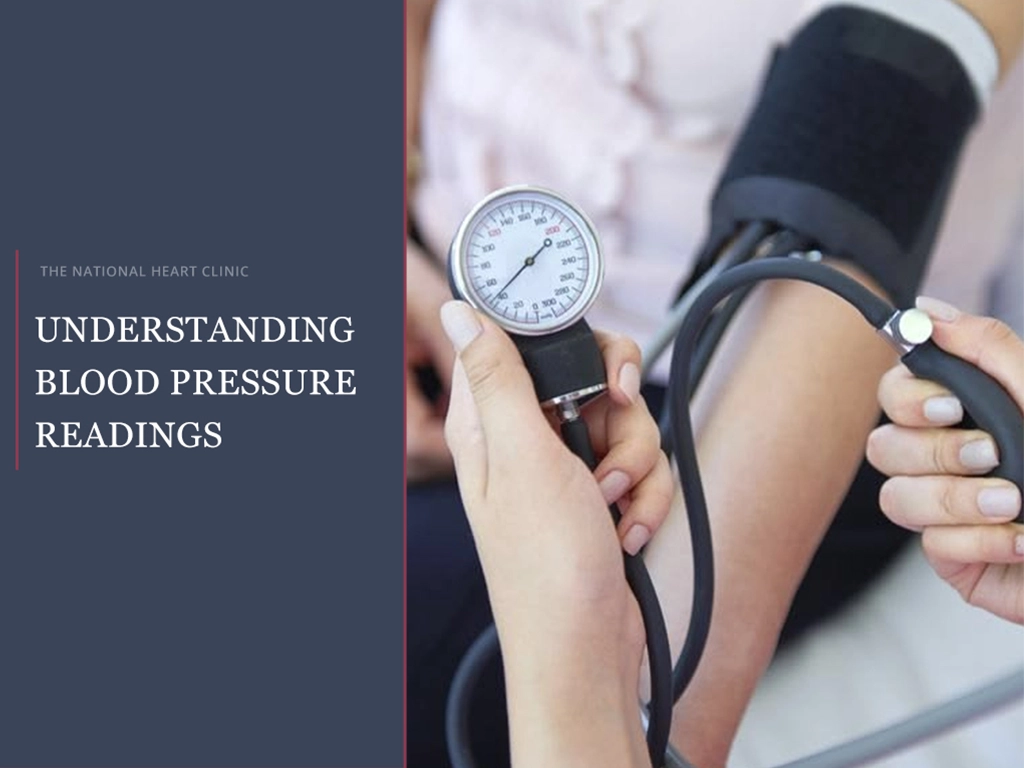
Understanding your blood pressure readings is one of the most important steps you can take to protect your heart health and reduce the risk of serious cardiovascular conditions. Those two numbers displayed on a BP monitor are a snapshot of how efficiently your heart and arteries are functioning. Whether you have been diagnosed with hypertension, are monitoring your blood pressure at home, or simply want to understand what your readings mean, this guide covers everything you need to know.
Don’t Wait Weeks for Answers
Get fast, specialist-led heart checks with same-day or quick appointments
What is Blood Pressure?
Blood pressure is the force exerted by circulating blood against the walls of your arteries. A healthy cardiovascular system maintains blood pressure within a normal range. Constantly high or low blood pressure over the long term can place strain on your arteries and cause heart complications.
What Do Blood Pressure Numbers Mean?
Blood pressure is measured in millimetres of mercury (mmHg) and is recorded as two numbers:
Systolic Blood Pressure (the top number)
The systolic number shows the pressure in your arteries when the heart muscle contracts to pump blood around the body. It is the maximum pressure your cardiovascular system experiences with each heartbeat.
- Normal Systolic Pressure: Below 120mmHg
- High Systolic Pressure: 140 mmHg or Above
Diastolic Blood Pressure (the bottom number)
The diastolic pressure shows the pressure in your arteries when your heart relaxes between beats. It is the lowest pressure your arteries experience.
- Normal Diastolic Pressure: Below 80 mmHg
- High Diastolic Pressure: 90 mmHg or Above
The Blood Pressure Chart: What the Ranges Indicate?
The following blood pressure chart is aligned with the NHS and NICE (National Institute for Health and Care Excellence) guidelines used across the United Kingdom. Moreover, the same thresholds apply to adults of all ages, as there is no separate normal blood pressure by age in the NHS guidelines.
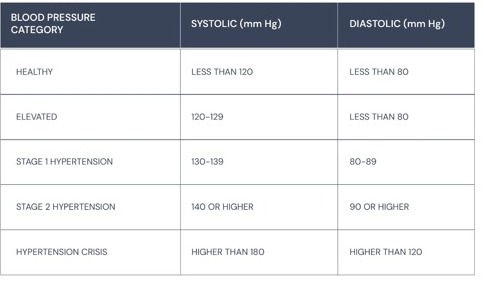
If you’re confused about which category your blood pressure reading falls into, use The National Heart Clinic’s BP Average Calculator to check your numbers across multiple days and see exactly where you stand.
Stages of Blood Pressure Explained
Normal Blood Pressure
A blood pressure reading of 120/80 or a bit below is considered healthy. Maintaining BP in this range through healthy lifestyle choices, including a balanced diet and regular exercise, is one of the most effective ways to support long-term heart health.
Low Blood Pressure (Hypotension)
A BP reading below 90/60 mmHg is categorised as ‘low blood pressure’. However, some people naturally have this range without any symptoms, so it cannot be considered hypotension in this case.
Elevated Blood Pressure
Systolic readings between 120-129 and diastolic readings less than 80 are considered somewhat elevated BP. No medication is required at this stage, but maintaining a healthy lifestyle is recommended to prevent progression.
Stage-1 Hypertension
Consistently high systolic BP readings of 130-139 and diastolic readings of 80-89 fall under stage-1 hypertension. At this stage, medical advice must be taken along with lifestyle adjustments to prevent serious complications such as a heart attack or stroke.
Stage-2 Hypertension
A constantly high blood pressure of 140/90 or above is categorised as stage-2 or severe hypertension. Medicines, along with lifestyle adjustments, are strongly recommended at this stage to control raised levels.
Stage-3 or Hypertensive Crises
Blood pressure above 180/120 mmHg may be declared as a ‘medical emergency’. It requires prompt medical attention, especially if you have symptoms such as chest pain, shortness of breath, vision changes, or back pain.
Not sure where your blood pressure falls? Get a professional assessment at The National Heart Clinic. Our cardiologists offer same-week appointments for blood pressure monitoring and heart health screening.
Factors That Affect Blood Pressure Readings
Your blood pressure readings are not static; they vary throughout the day based on several factors:
- Time of the day: BP is usually lower in the morning and rises during the day.
- Physical activity: Exercise can temporarily raise your blood pressure.
- Stress: Emotional stress and anxiety can cause a temporary rise in blood pressure.
- Caffeine and Alcohol Intake: Both can temporarily raise your blood pressure.
- White Coat Syndrome: Some people may experience elevated readings in clinical settings due to anxiety, a condition typically known as ‘White Coat Syndrome’.
How to Take an Accurate Blood Pressure Reading at Home?
For home monitoring, following an accurate technique to measure your blood pressure is crucial to ensure reliable readings. Here are some quick tips:
- Sit comfortably on a chair with your back supported and arms resting at heart level.
- Rest for at least 5 minutes before taking your BP reading.
- Avoid eating, smoking, or exercising for at least 30 minutes before measuring your blood pressure.
- Take 2 or 3 readings with a gap of one to two minutes and record the average.
- Monitor your blood pressure at the same time each day.
For continuous, long-term monitoring, we recommend a 24-hour blood pressure monitor (ABPM). Unlike standard home monitors, ABPM records your blood pressure automatically every 20-30 minutes over 24 hours, giving your doctor a complete picture of your cardiovascular health.
When to See a Doctor?
Don’t wait for the symptoms to appear. Detecting and managing your blood pressure in a healthy range is crucial for optimal heart health. See your GP if home readings are consistently above 135/85 mmHg, or immediately if above 180/120 mmHg. At The National Heart Clinic, our experienced cardiologists provide comprehensive blood pressure assessments, 24-hour ambulatory monitoring, and personalised heart health plans. Book your consultation online today or call us to speak with our team.
Disclaimer
The information provided in this blog is for general information and educational purposes only. The content is not intended to be a substitute for professional medical advice, diagnosis, or treatment. Always seek the advice of your GP or a qualified medical professional regarding any medical condition. If you are experiencing a medical emergency, please contact emergency services immediately.