Cardiac CT Scan Vs CT Angiogram: What is the Difference?
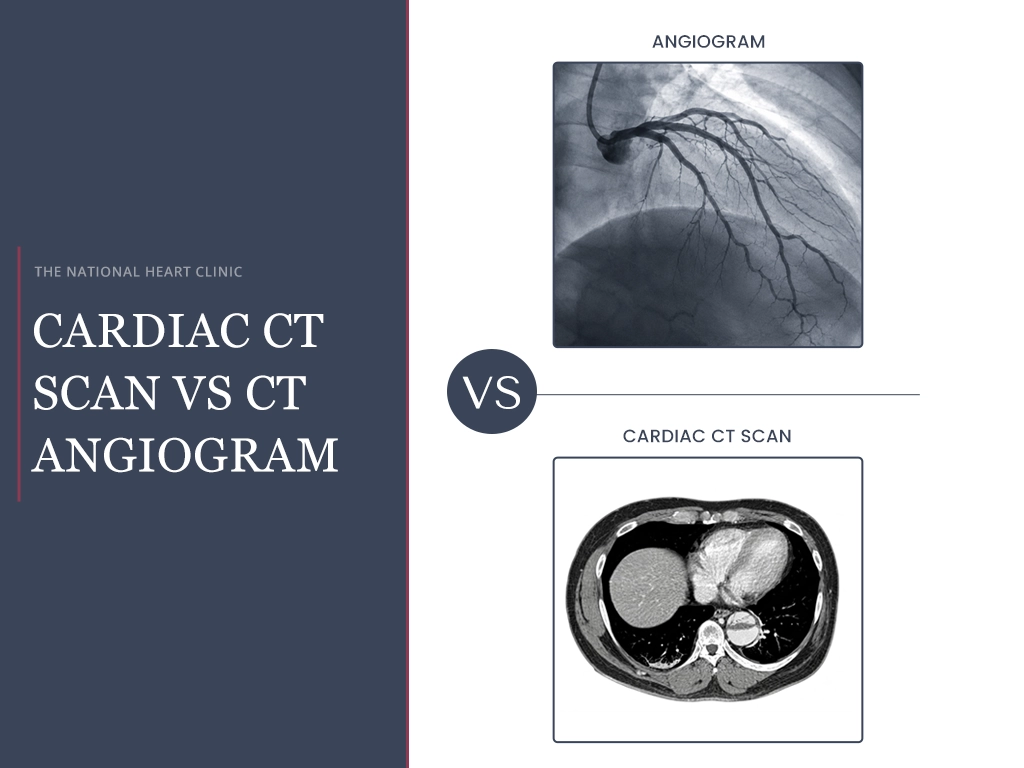
A Cardiac CT Scan and a CT Angiogram may sound alike, and people often use the terms interchangeably, but they are not the same test. Your cardiologist may recommend either of these heart imaging tests, but each one serves a different purpose in diagnosing a heart condition early. They give your doctor different types of information about your heart and overall cardiovascular health. Knowing the difference between the two can help you feel more informed and less anxious before your test. Below, we explain how a Cardiac CT Scan and a CT Angiogram differ, and when your cardiologist may recommend each.
What is a Heart CT Scan?
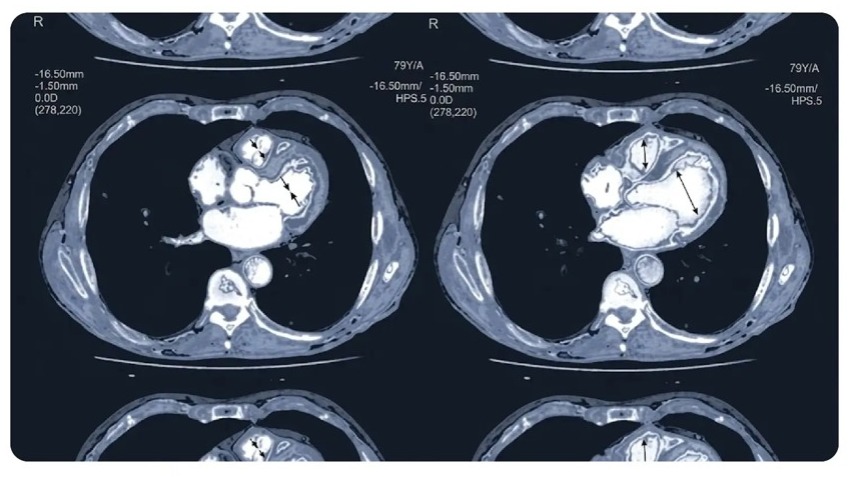
A cardiac CT scan (Computed Tomography) is a non-invasive imaging test that captures clear, cross-sectional images of your heart and blood vessels using X-rays and advanced computer technology. It is commonly used to detect calcium buildup in the coronary arteries and assess your risk of heart disease before any symptoms appear. A cardiac CT scan is far less invasive and carries a lower risk of complications than a traditional angiogram. However, if blockage is detected, a traditional angiogram may still be needed to confirm the findings and plan treatment.
What to Expect During a Cardiac CT Scan?
A Cardiac CT Scan is a quick, painless test that takes only a few minutes. You will lie flat on a table that slides slowly into a circular scanner. You will need to stay still during the test and hold your breath for a few seconds at a time while the machine captures images. An X-ray beam takes multiple images of your heart as the table moves through the scanner, and these images are combined into a detailed picture of your heart. Unlike a traditional angiogram, a Cardiac CT Scan does not require catheter insertion, which makes it a safer and more comfortable option for most patients.
Cardiac CT: Advantages
- Non-invasive, no catheter required
- Lower risk of complications
- Useful for early risk detection (calcium scoring)
- Quick, usually takes just a few minutes
Cardiac CT: Disadvantages
- Involves radiation exposure
- Image quality can be compromised by movement
- May need a follow-up angiogram if blockage is found
What is a CT Angiogram?
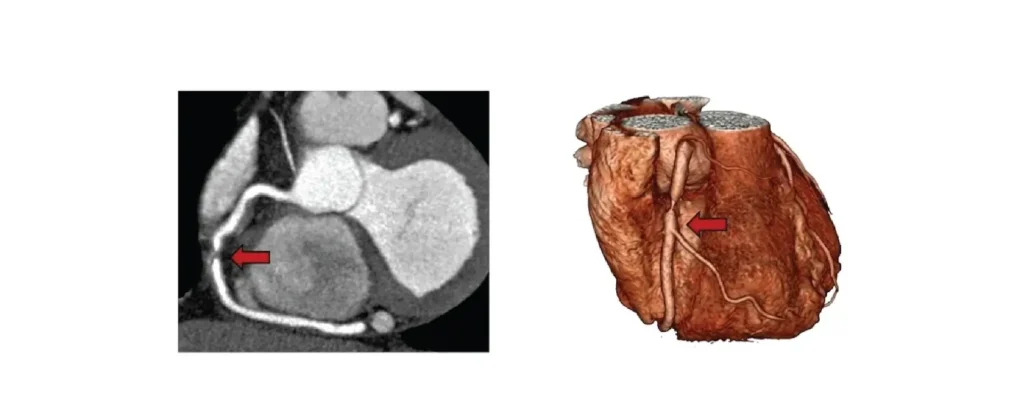
A CT Angiogram (CTA) uses a contrast dye to create clear images of your blood vessels. It helps your doctor identify any narrowing, blockage, or blood clots in your arteries or veins. For a closer look at the arteries that supply blood to your heart, your cardiologist might suggest a CT coronary angiography (CCTA).
What to Expect During a CTA?
A small IV line is inserted into your arm to inject the contrast dye into your bloodstream. Some patients notice a metallic taste or a warm sensation, both of which are common and disappear quickly. Like a Cardiac CT Scan, a CT Angiogram takes only a few minutes to complete, and the rest of the process is similar: you will lie flat on a table that slides into the scanner while detailed, cross-sectional images of your heart are captured. In some cases, you may be given medication beforehand to help steady your heart rate for clearer images.
CT Angiogram: Advantages
- Provides detailed images of blood vessels
- Identifies blockages, narrowing, and clots
- More accurate than a standard CT scan for artery examination
- Useful for diagnosing unexplained chest pain
CT Angiogram: Disadvantages
- Requires contrast dye injection
- Possible allergic reaction to contrast dye
- Not suitable for patients with kidney problems
- Involves higher radiation exposure than a CT scan
- May require medication beforehand to slow the heart rate.
Cardiac CT Scan Vs CT Angiogram: Key Differences Explained
| CT Scan | CT Angiogram | |
| Purpose | Evaluates the anatomy of the heart as well as used for calcium scoring | Examines the blood vessels and blood flow, especially the coronary arteries, and detects narrowing, blockages, or clots. |
| Contrast Dye | No contrast dye is used | Uses a contrast dye, injected through the IV line |
| Comfort | Painless | A bit of pain during IV injection. Some patients may notice a metallic taste or warm sensation for a short period. |
| Invasiveness | Non-invasive | Minimally invasive due to IV insertion |
| Preparation | Little to no preparation needed | Fasting and medication instructions are provided |
| Duration | Takes around 10 minutes | Takes around 20 minutes |
| Risks/Complications | Lower radiation risks | Allergic reactions to dye may be noticed. Slightly higher risk of radiation |
Learn More: Difference between cardiac MRI and CT Scan
CT Scan or CT Angiogram: Which Test Do You Need?
The question of which test is better for you depends on several factors – your symptoms, risk factors, medical history, and what your cardiologist wants to investigate. If you have known risk factors of heart disease, your doctor may recommend a Cardiac CT Scan. On the other hand, if you have unexplained chest pain, your doctor may suggest a CT Angiogram as per the NICE guidelines.
While choosing the right option, we suggest discussing with your cardiologist and trusting his opinion. He will guide you thoroughly to the safest and most appropriate test option according to your health condition, medical history, and specific symptoms.
Take the Right Step for Your Heart Health
Knowing the difference between a Cardiac CT Scan and a CT Angiogram is the first step toward understanding your heart health and feeling confident about the test ahead. Whether you have symptoms that need investigating or simply want to be proactive in identifying your risk, early assessment can make all the difference.
At The National Heart Clinic on Harley Street, London, our specialist cardiologists offer same-day appointments, advanced cardiac imaging, and personalised guidance at every step. Don’t wait for symptoms to worsen. Book your appointment today and take a proactive step toward a healthier heart.
Disclaimer
The information provided in this blog is for general information and educational purposes only. The content is not intended to be a substitute for professional medical advice, diagnosis, or treatment. Always seek the advice of your GP or a qualified medical professional regarding any medical condition. If you are experiencing a medical emergency, please contact emergency services immediately.