Heart Attack Symptoms in Women: Signs to Never Ignore
There are an estimated 100,000 hospital admissions in England each year for heart attacks; that is around 270 each day or 1 every six minutes, according to July 2026 stats from the British Heart Foundation. These numbers are alarming and demand comprehensive awareness for prevention and emergency care.
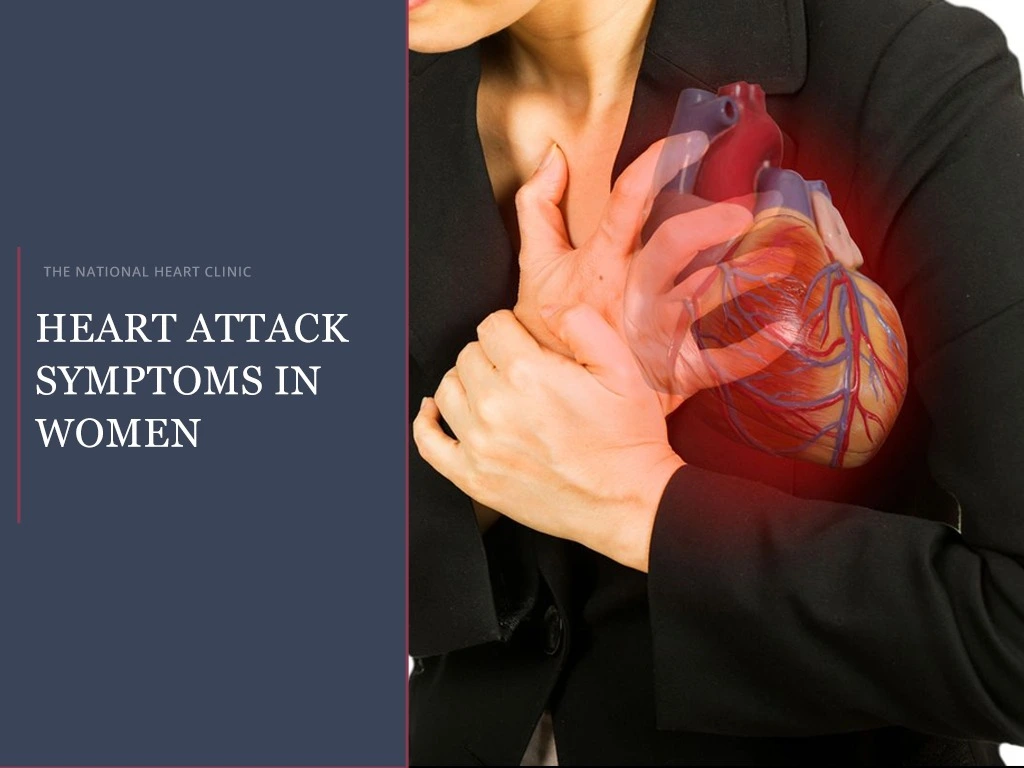
A heart attack is a condition where the blood flow to the heart gets disrupted; the longer it remains untreated, the higher the risk of complications. The symptoms and early warning signs can vary from person to person. Women often ignore their signs, considering them fatigue, acid reflux, hormonal issues, or other health problems, causing a delay in seeking help. Understanding the symptoms and warning signs can help prevent cardiovascular risks.
In this guide, we explain the distinct heart attack symptoms in women and when they should seek emergency care. So let’s dive into the details!
Understanding Heart Attack
Heart Attack is a medical emergency caused by restricted blood flow to the heart. It happens when the arteries supplying blood to the heart become narrow due to the buildup of fats, cholesterol or other substances. The longer it continues, the higher the associated risks. Getting quick treatment is crucial to protect your heart health from complications and save lives.
Heart Attack in Men Vs Women: What the UK Stats Say?
According to a report by the British Heart Foundation, in the UK, women have around half the number of heart attacks as men, but it is considered riskier in females due to their subtle warning signs. Moreover, women are roughly twice as at risk of coronary heart disease as men – the major cause of heart attacks worldwide. In the UK alone, over 80,000 women are living with CHD, and around half of them have survived a heart attack.
Signs and Symptoms of Heart Attack in Women
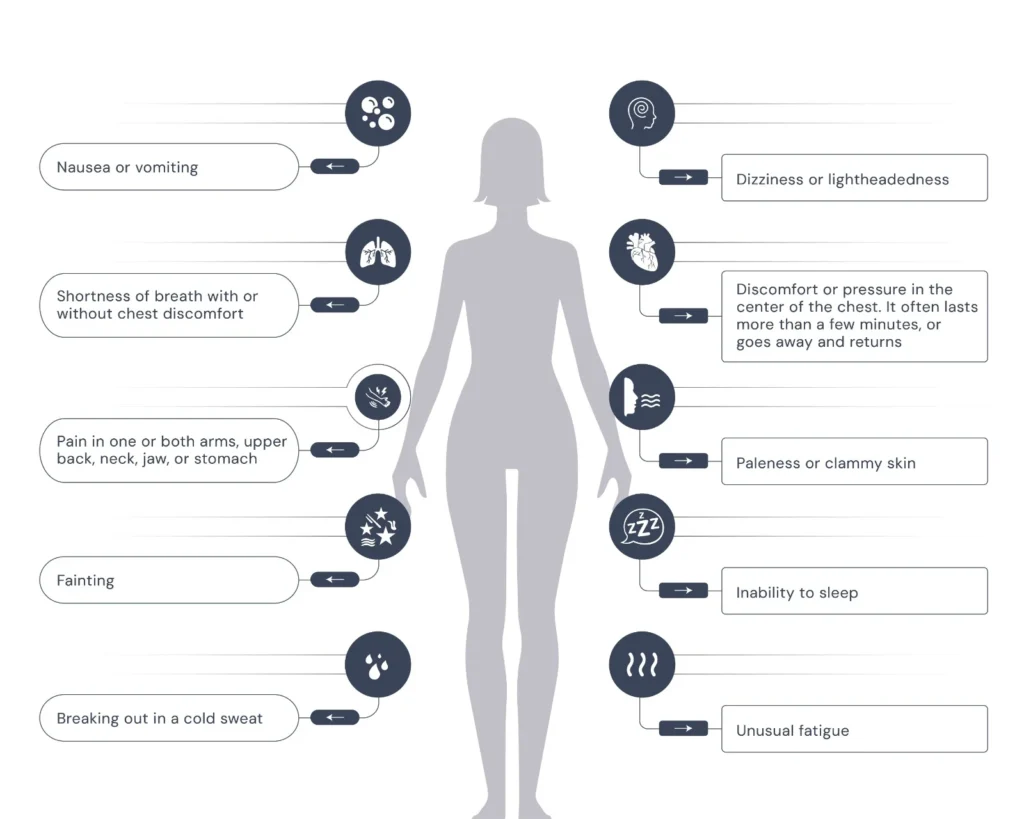
Although men and women have most symptoms of a heart attack in common, some signs are more specific to women. However, they are often misunderstood or overlooked due to their subtle form, making them fatal if left undiagnosed and untreated for a long time.
Some commonly observed pre-heart attack symptoms in females are listed below:
- Chest pain, pressure, squeezing, or a feeling of fullness in the centre of the chest
- Pain that spreads to one or both arms, upper back, neck, jaw, or stomach
- Breathlessness
- Extreme fatigue
- Nausea
- Feeling of fullness and pain similar to indigestion
- Cold sweats
- Dizziness or lightheadedness
It is important to note that not every woman has the same symptoms of a heart attack. Some may experience subtle signs, while others experience more noticeable and severe ones.
Heart Attack or Heartburn: How to Differentiate?
A burning sensation in your chest after a heavy meal is often caused by heartburn or acid reflux. However, in some cases, what feels like indigestion may actually be a sign of a heart attack. Because the symptoms of heartburn, angina, and a heart attack can overlap, it is important not to dismiss persistent or unexplained chest discomfort.
While heartburn is typically linked to eating and may improve with antacids, chest pain caused by a heart attack or angina is more likely to be accompanied by symptoms such as shortness of breath, nausea, sweating, dizziness, or pain spreading to the arm, jaw, neck, or back. If you are unsure whether your symptoms are related to your digestive system or your heart, seek urgent medical assessment without delay.
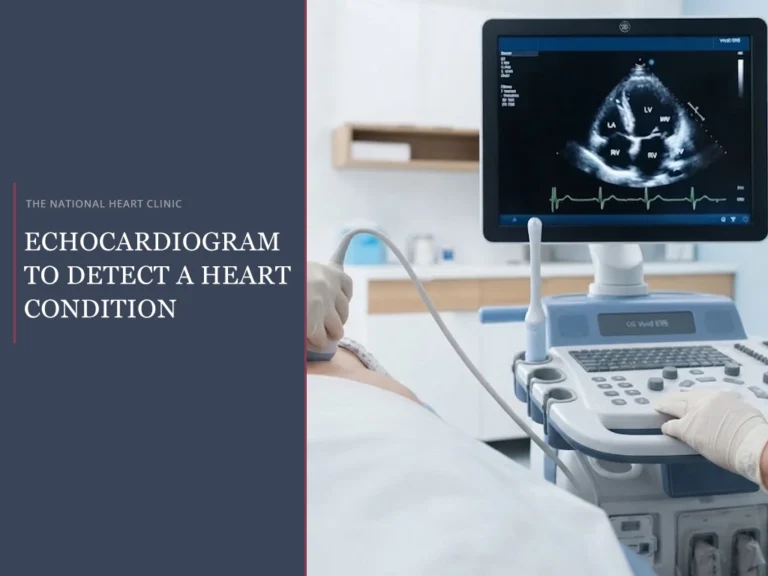
Following an initial evaluation, your cardiologist may recommend diagnostic tests such as an ECG, echocardiogram, or other cardiac investigations to determine the cause of your symptoms and ensure you receive the appropriate treatment.
What Increases the Heart Attack Risk in Women?
Some females-specific factors that increase their risk of heart attack are:
- Menopause
- Pre-eclampsia
- Gestational diabetes
Other common risk factors may include:
- High blood pressure
- High cholesterol
- Obesity
- Sedentary lifestyle
- Diabetes
- Smoking
- Family history of heart problems
When to Seek Emergency Care?
If you have one or more of the following heart symptoms, don’t delay in making wrong guesses and seek emergency care as soon as possible. Call 999 or go to A&E immediately if:
- You have chest pain, pressure, or squeezing that doesn’t go away and gets worse in a few minutes.
- The pain that radiates to your arm, especially the left arm, neck, jaw, or upper back.
- You have cold sweats, lightheadedness, or shortness of breath
- Chest pain or discomfort that increases with physical activity or exercise
- You are experiencing palpitations or irregular heart rhythm
What to do if You Feel You are Having a Heart Attack?
If you feel any of the above symptoms, make sure to:
- Call 999 for emergency care
- Sit down and stay calm
- Avoid stress and physical exertion
- Chew an aspirin if advised by a paramedic
Conclusion
Recognising heart attack symptoms in women empowers you to take action when it matters most. Women often have subtle symptoms or those which differ from the classic signs, early recognition and prompt treatment can significantly reduce the risk of serious complications and save lives.
If you experience one or more of the symptoms discussed above and suspect a heart attack, seek emergency medical attention immediately. For ongoing, mild heart symptoms or a comprehensive assessment of your cardiovascular health, book a consultation with the experienced cardiologists at The National Heart Clinic, London and get expert guidance about your heart health.
Disclaimer
The information provided in this blog is for general information and educational purposes only. The content is not intended to be a substitute for professional medical advice, diagnosis, or treatment. Always seek the advice of your GP or a qualified medical professional regarding any medical condition. If you are experiencing a medical emergency, please contact emergency services immediately.