
Mitral Valve Disease: Causes, Diagnosis, and Treatment
Mitral Valve Disease refers to a group of conditions that affect the mitral valve, one of the heart’s four valves responsible for regulating blood flow between the left atrium and left ventricle. When the mitral valve does not function properly, it can disrupt normal blood circulation and put extra strain on the heart.
+44 7535 984 305
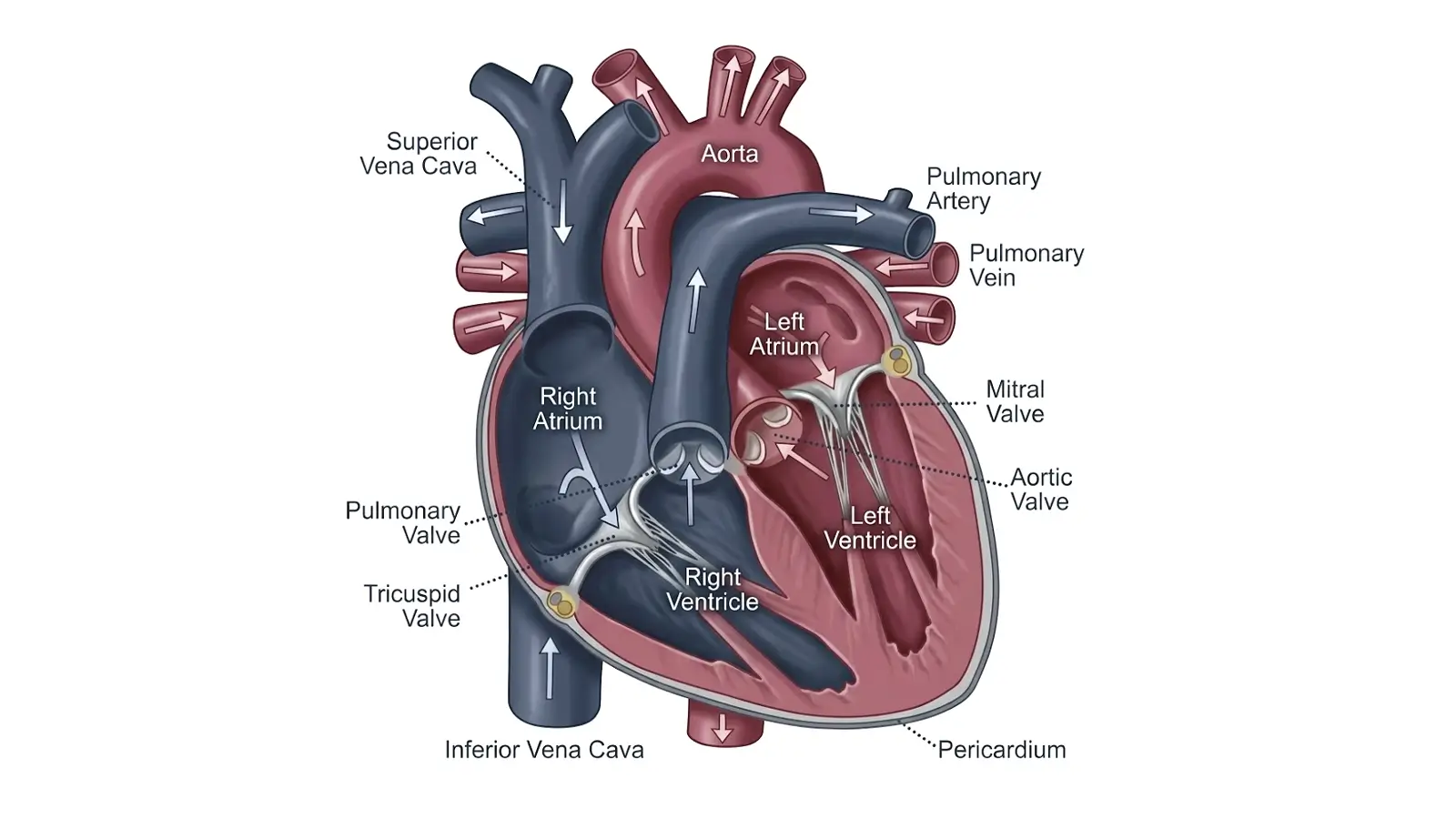
The Mitral Valve
The mitral valve is located between the heart’s upper left chamber (left atrium) and lower left chamber (left ventricle). It consists of two leaflets, also known as flaps or cusps, which open and close with each heartbeat to ensure blood flows in the correct direction.
When the left ventricle relaxes, the mitral valve opens to let the blood enter from the left atrium to the left ventricle. The pressure builds in the left ventricle as blood accumulates, causing the mitral valve to close, which helps prevent backward flow of blood into the left atrium.
Symptoms of Mitral Valve Disease
Symptoms vary depending on the type and severity of the condition. Some patients may remain symptom-free for years, while others experience symptoms that gradually worsen over time. Some common symptoms may include:
If you are experiencing any of these symptoms, book a comprehensive cardiac assessment to identify the underlying cause and choose the right treatment option.
Types of Mitral Valve Disease
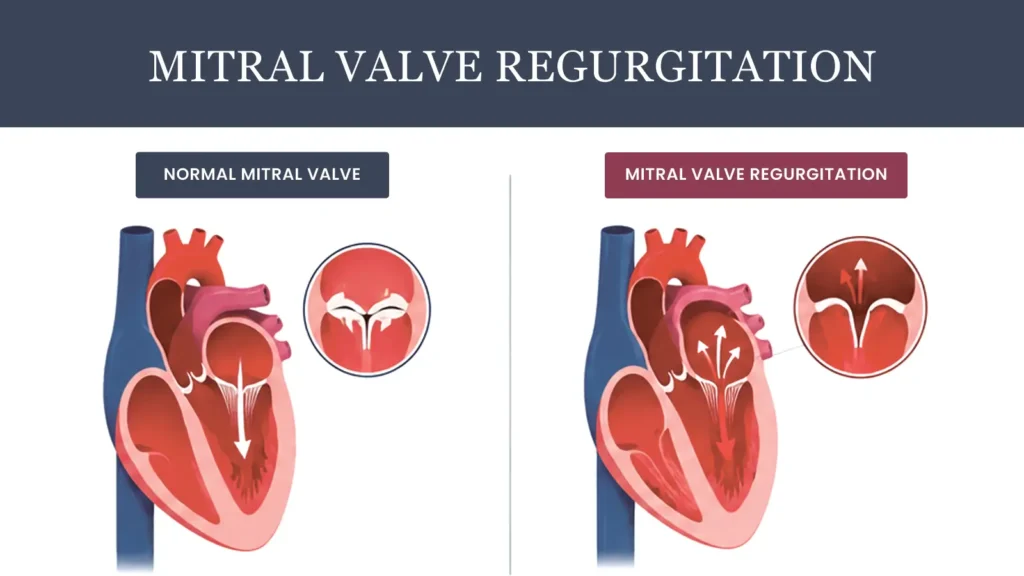
Mitral Valve Regurgitation
Commonly known as ‘leaky valve or mitral insufficiency,’ Mitral Valve Regurgitation is a condition in which valvular flaps can’t close properly, causing the blood to leak or flow backward into the left atrium. This situation can increase pressure within the lungs, causing shortness of breath.
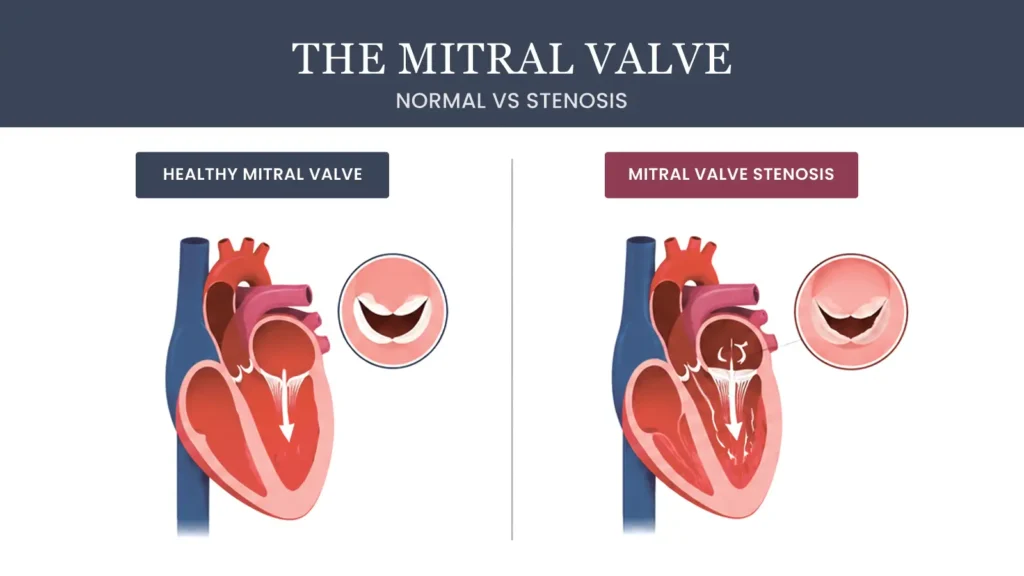
Mitral Stenosis
In mitral stenosis, a thick or stiff mitral valve narrows the valve’s opening, causing reduced blood flow from the left atrium to the left ventricle. Rheumatic Fever is the primary cause of mitral stenosis. Increased pressure within the heart and the lungs leads to fluid buildup and may cause shortness of breath.
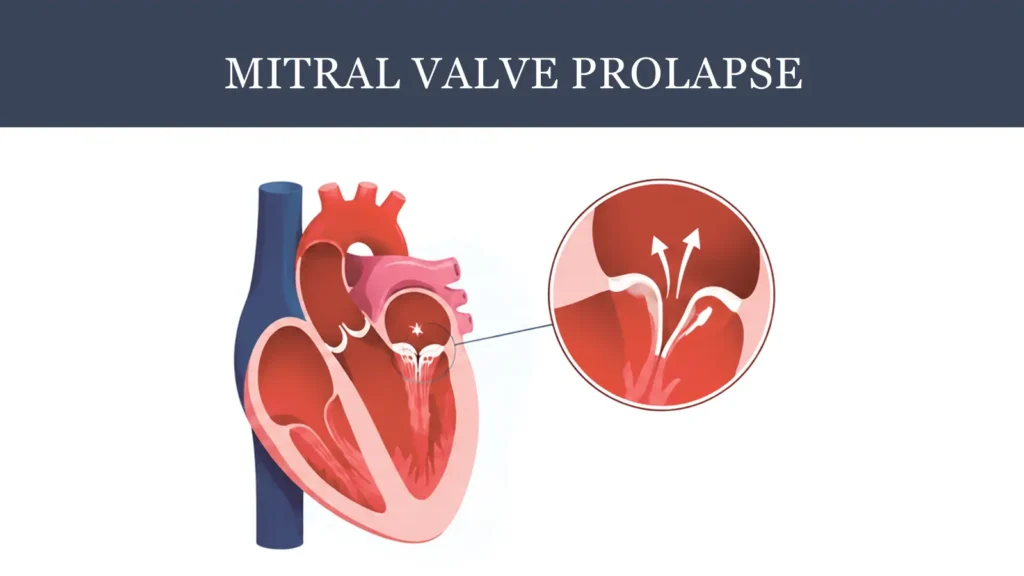
Mitral Valve Prolapse
Mitral Valve Prolapse develops when one or both valve leaflets become enlarged or stretched and bulge backward into the left atrium during heart contraction.
What Causes Mitral Valve Disease?
Congenital Heart Defects
Some individuals are born with abnormalities affecting the mitral valve. Congenital defects can range from mild conditions requiring monitoring to severe abnormalities that may require early intervention or surgery.
Connective Tissue Disorders
Certain connective tissue disorders can affect the structure and function of the mitral valve. These include enlargement of the left ventricle, usually due to cardiomyopathy or a heart attack; endocarditis; Marfan Syndrome, or Ehlers-Danlos Syndrome.
Rheumatic Fever
Rheumatic Fever remains one of the most common causes of Mitral Stenosis. Valve damage often develops gradually and may not become apparent until many years after the original infection.
Age-Related Degeneration
As people age, calcium deposits can accumulate on the mitral valve, causing it to stiffen and function less effectively. This age-related degeneration can contribute to the development of mitral valve stenosis and other valve disorders.
Our Diagnostic Approach to Mitral Valve Disease
At The National Heart Clinic, our consultant cardiologists use a combination of clinical assessment, medical history, family history, and advanced cardiac testing to diagnose Mitral Valve Disease accurately. Diagnostic investigations may include:
Mitral Valve Disease Treatment in London
Treatment for mitral valve disease depends on the severity of the condition, the patient’s age, and whether the symptoms are worsening. Where intervention is required, our cardiologists work closely with leading cardiac surgeons to ensure patients receive the most appropriate treatment and ongoing follow-up care. Possible treatment options may include:
Are There Any Complications?
Without appropriate monitoring and treatment, Mitral Valve Disease may increase the risk of:
Why Choose The National Heart Clinic?
Our experienced cardiology specialists provide comprehensive assessment, advanced diagnostic testing, and personalised treatment plans to eansure each patient receives appropriate care.
Early diagnosis and expert cardiology care can help identify the underlying cause of your symptoms and support effective long-term management.
Book a Private Consultation Today
Book an appointment with a cardiac consultant at The National Heart Clinic, Harley Street, London, and get expert assessment, accurate diagnosis, and a personalised treatment plan to manage your symptoms effectively.
Book an Appointment Online
Schedule a consultation online with the best Harley Street Cardiologists and get access to expert opinion, efficient diagnostics, and a personalised approach to your heart care.
What Our Patients Say?
Every heartbeat tells a story! Read how our patients found hope, healing, and confidence in our cardiology health services.