
Postural Orthostatic Tachycardia Syndrome (POTS)
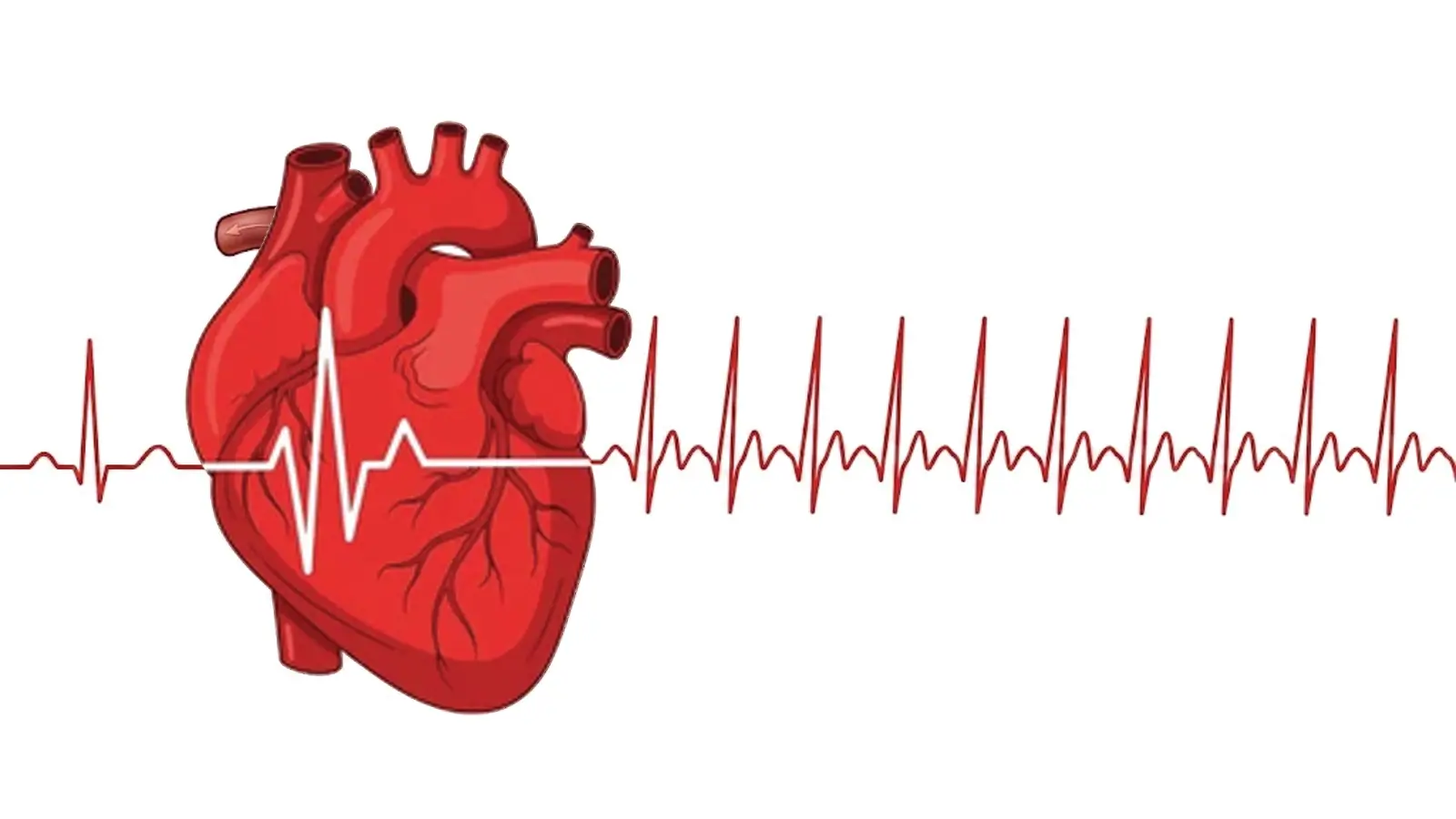
Postural tachycardia syndrome (PoTS) is an abnormal response by the autonomic nervous system to upright posture. It commonly causes a rapid increase in heart rate when moving from sitting or lying down to standing.
+44 7535 984 305
What is Postural Tachycardia Syndrome (PoTS)?
POTS is a circulatory disorder that causes the heart to beat unusually fast after standing up. The condition affects the autonomic nervous system, which controls important body functions such as heart rate, blood pressure, blood circulation, and temperature regulation.
When you stand up, your body normally adjusts blood flow and heart rate to maintain steady circulation to the brain and upper body. In people with POTS, this response does not work properly, causing the heart rate to rise quickly and leading to symptoms such as dizziness, palpitations, and fatigue.
What Causes POTS?
POTS is a complex condition and can sometimes be mistaken for anxiety or other heart rhythm disorders because of its overlapping symptoms. In many cases, more than one factor may contribute to the condition. Common underlying causes and triggers include:
Symptoms of Postural Orthostatic Tachycardia Syndrome
Individuals suffering from Postural tachycardia syndrome may experience mild to severe symptoms that affect their quality of life. Usually, they appear in early adolescence between the ages of 15 and 50 years and are most common in women. Common symptoms include:
Our Specialists’ Diagnostic Approach to POTS
Due to overlapping symptoms with many other health conditions, POTS often remains undiagnosed for years. Accurate diagnosis begins with a detailed assessment of your symptoms, medical history, family history, and a physical examination.
To confirm the diagnosis and rule out other possible causes, our specialists may recommend several heart investigations, including:
During an active stand test, your heart rate and blood pressure are measured while lying down and again after standing for several minutes. A tilt table test works similarly by monitoring your cardiovascular response while your body is moved from a lying to a near vertical position. A sudden spike in heart rate without lowering BP is one of the key findings to diagnose PoTS.
Lifestyle Changes to Manage POTS Syndrome
Self-Management for Everyday Symptoms
Self-Management for Acute Symptoms
If you suddenly feel dizzy or faint, take immediate steps to prevent complications.
When to See a Cardiologist?
If you experience symptoms of POTS, it is important to consult a cardiology specialist for an accurate assessment and to rule out other conditions with similar symptoms. You should seek an urgent checkup if you experience dizziness, fainting, rapid heartbeat, breathlessness, or symptoms that worsen over time.
Early diagnosis and specialist care can help identify the underlying cause of your symptoms and support effective long-term management.
Why Choose The National Heart Clinic?
Our patients receive exceptional cardiac care from London’s top heart specialists. We combine advanced diagnostics, personalised treatment, and compassionate care to optimise your cardiovascular wellness. At The National Heart Clinic, you can expect:
See a POTS Specialist Today
Book an appointment with a POTS specialist for expert assessment, accurate diagnosis, and a personalised treatment plan.
FAQs
Book an Appointment Online
Schedule a consultation online with the best Harley Street Cardiologists and get access to expert opinion, efficient diagnostics, and a personalised approach to your heart care.
What Our Patients Say?
Every heartbeat tells a story! Read how our patients found hope, healing, and confidence in our cardiology health services.