
Supraventricular Tachycardia (SVT)
Supraventricular Tachycardia is a type of arrhythmia (irregular heartbeat) in which your heart suddenly beats much faster than normal around 150-220 times a minute. Usually, SVT is not a serious condition, but some people may need medical attention.
+44 7535 984 305
What Causes Supraventricular Tachycardia?
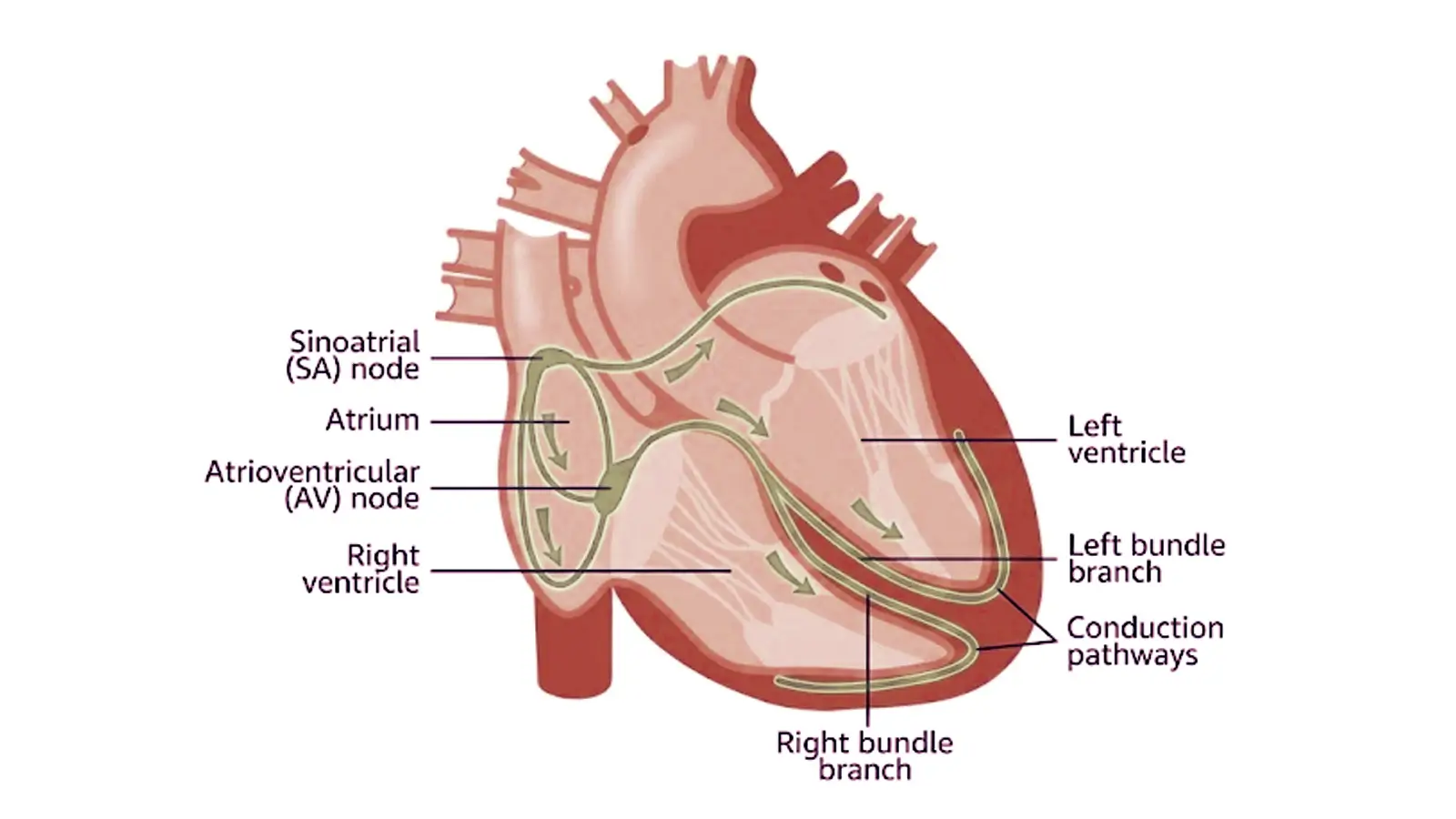
Supraventricular Tachycardia occurs when the electrical system that controls the heart rhythm doesn’t function properly. As a result, the heartbeat becomes abnormal, with a sudden increase in beats followed by an abrupt slowdown. The increase in heart rate can occur both while resting and during exercise.
What Can Trigger Your Symptoms?
High BP, or Hypertension, develops when the force of blood against your arterial walls remains high, placing strain on vital organs and leading to long-term health risks. Other causes include:
Symptoms of SVT: What Does it Feel Like?
SVT typically causes a sudden increase in heart rate, which can last from a few minutes to several hours. The frequency of episodes varies from person to person; some may experience them multiple times a day, while others have them only occasionally.
In addition to the rapid heartbeat, some people may experience the following symptoms:
SVT Symptoms in Children
In infants and young children, symptoms are not very prominent. However, some common signs may include:
Types of Supraventricular Tachycardia
What are the Risk Factors?
Several factors can increase the risk of SVT, such as:
What are the Complications?
If left untreated over the long term, SVT may lead to serious complications, including:
Our Specialists’ Diagnostic Approach to SVT
To diagnose and confirm SVT, our specialists perform a physical exam, note your symptoms, and take your medical history. They may perform an Electrocardiogram (ECG/EKG), Echocardiogram, or Exercise Stress Test. Based on your symptoms and your doctor’s findings, you may also need extended heart monitoring through a Holter Monitor or Event Recorder.
Treatment for Supraventricular Tachycardia
Supraventricular tachycardia is rarely life-threatening. However, if the symptoms become severe or frequent, treatment in a hospital may be necessary. Treatment options for SVT may include:
At-home Treatments
If you feel SVT symptoms, the following simple techniques may help slow your heart rate and provide quick relief:
Please note: If these home tips don’t provide relief within a few minutes or if your symptoms are severe, seek immediate medical attention right away.
Medicines
For frequent SVT episodes, medications may be needed to control the heart rate and manage the rhythm. Medicines also help reduce the risk of complications.
Cardioversion
A small electric shock is applied to the chest to restore the heart’s normal rhythm. This option is often used when emergency care is needed.
Catheter Ablation
A doctor inserts thin, flexible tubes called catheters into a blood vessel, usually in the groin area. Sensors on the tips of the catheters use heat or cold energy to make small, precise scars in the heart. These scars act as barriers, interrupting the abnormal electrical signals responsible for the irregular heart rhythm.
Pacemaker
For some patients, though uncommonly, a pacemaker may be recommended. This small device is implanted just beneath the skin, typically near the collarbone, in a minor surgical procedure. Thin wires link the pacemaker to the heart, allowing it to help maintain a steady, regulated heartbeat.
Lifestyle Modifications to Manage SVT
A heart-healthy lifestyle plays an important role in managing SVT symptoms. Besides treating the condition through medicines or procedures, our cardiologists also provide comprehensive lifestyle guidance to patients to support quick and long-term recovery. Common recommendations include:
Why Choose The National Heart Clinic?
Our experienced cardiology specialists provide comprehensive assessments, advanced diagnostics, and personalised treatment plans to help you with your supraventricular tachycardia-related health concerns. We offer:
Book a Private Consultation Today
Book an appointment with a cardiac consultant at The National Heart Clinic, Harley Street, London, and get expert assessment, accurate diagnosis, and a personalised treatment plan to manage your symptoms effectively.
FAQs
Book an Appointment Online
Schedule a consultation online with the best Harley Street Cardiologists and get access to expert opinion, efficient diagnostics, and a personalised approach to your heart care.
What Our Patients Say?
Every heartbeat tells a story! Read how our patients found hope, healing, and confidence in our cardiology health services.