
Breathlessness: Symptoms, Causes and Treatment
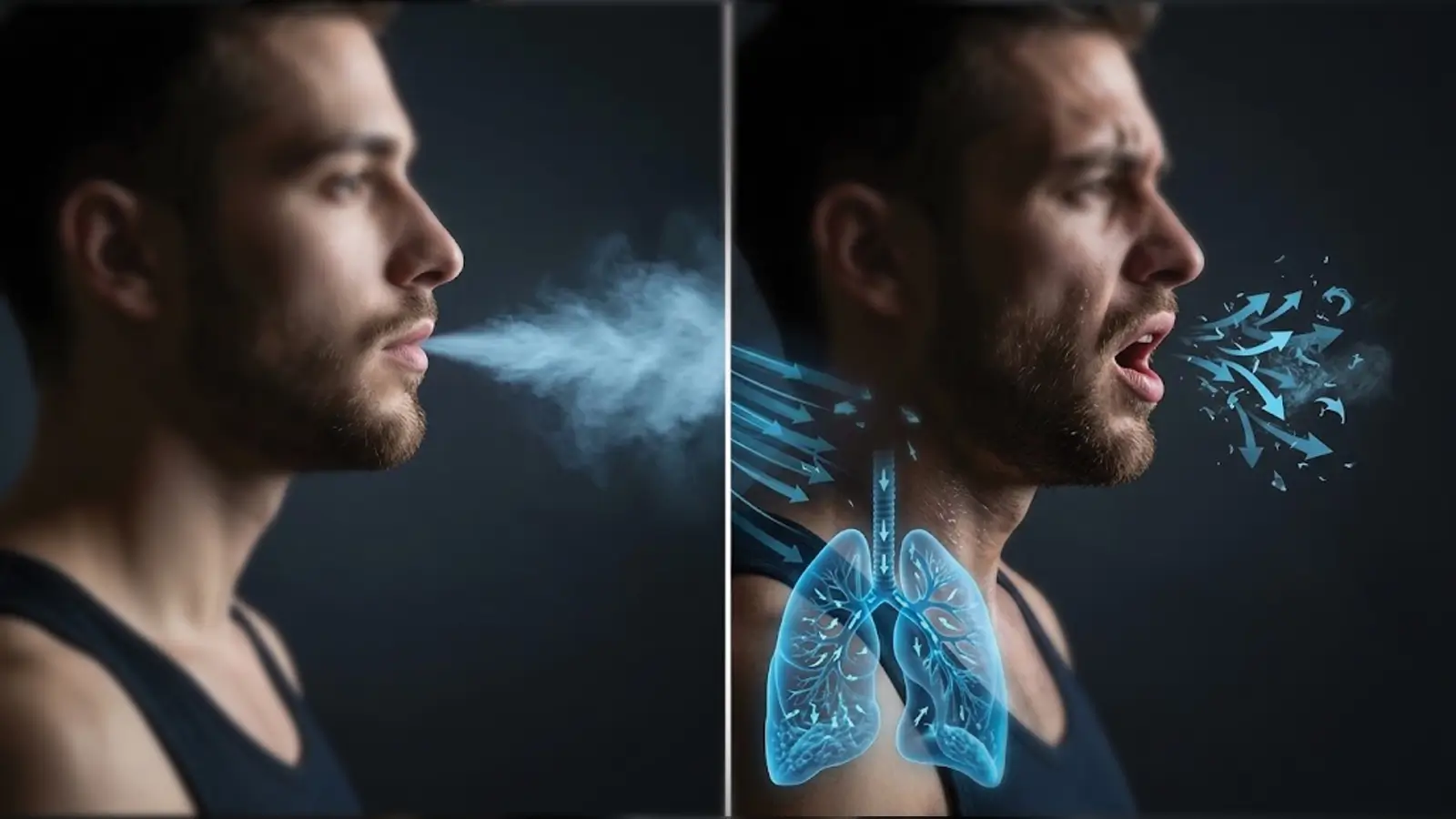
Breathlessness, also called shortness of breath or dyspnoea, is a feeling of difficulty breathing. It is normal with physical exertion; however, if it occurs suddenly without an obvious reason, it may indicate an underlying health condition.
+44 7535 984 305
What is Breathlessness (Dyspnoea)?
Breathlessness is difficulty or inability to breathe normally, even without physical exertion or at rest. It may or may not be a medical emergency depending on the severity, underlying cause, and duration of the condition. Mild Dyspnoea is common with exercise or allergies; however, if it occurs without any known reason, or the symptoms become more frequent and severe, it must be evaluated by an experienced medical professional.
Symptoms of Breathlessness
In children, signs of breathlessness may vary, such as:
If you have one or more of these symptoms, please contact our team to book your appointment with a specialist and get expert assessment.
What Causes Shortness of Breath?
Breathlessness can be caused by multiple factors, associated with the brain and body’s different systems. It can have more than one cause. A detailed medical assessment can help determine underlying reasons, such as:
Nervous System and Breathing Disorder
Lungs-Related Conditions
Heart-Related Causes
Muscle-Related Causes
Other Medical Conditions
Types of Dyspnoea
Acute Dyspnoea
Acute dyspnoea can be caused suddenly due to an asthma attack, allergy, panic attack, or heart failure. It requires urgent medical attention.
Chronic Dyspnoea
Breathlessness that can occur daily and last for longer periods (may be up to several weeks) is categorised as chronic dyspnoea.
Risk Factors for Breathlessness
Are There Any Complications?
Mild breathlessness is common during exercise, physical activity, or climbing stairs. However, if it occurs at rest, without any obvious cause, or happens frequently should not be ignored. If your breathing does not return to normal within a few minutes, seek medical advice promptly.
Breathlessness accompanied by chest pain or tightness, nausea, vomiting, or coughing up blood may indicate a serious medical condition and requires urgent medical attention.
Our Specialists’ Diagnostic Approach to Breathlessness
Our specialists at The National Heart Clinic determine the root cause of breathlessness through a detailed medical history, physical examination, and advanced diagnostic tests where required to identify the underlying cause. Depending on your symptoms and medical history, investigations may include blood tests, a chest X-ray, blood pressure checks, an exercise stress test, lung function tests, and oxygen level checks. If breathlessness is severe or remains unexplained, a CT scan may also be recommended to investigate possible underlying conditions.
At The National Heart Clinic, some of our cardiologists have particular expertise in assessing and treating breathlessness. They can evaluate your symptoms, identify possible underlying causes, and recommend appropriate diagnostic tests and treatment.
Treatment for Breathlessness
Treatment for breathlessness depends on the underlying cause of your symptoms. In some cases, lifestyle adjustments can help improve breathing and reduce discomfort. Maintaining a healthy weight, staying physically active, and practising relaxation techniques may be beneficial, particularly where it is linked to anxiety or stress.
If lifestyle changes alone do not improve your symptoms, consulting a specialist can help identify the right treatment. At The National Heart Clinic, our specialists assess your overall health, symptoms, and diagnostic test results to develop a personalised treatment plan. Depending on the underlying cause, treatment may include lifestyle guidance, medication, and further medical interventions where required.
When to Seek Emergency Care?
Call 999 or go to A&E immediately if you or your child have any of these symptoms:
Why Choose The National Heart Clinic?
Our experienced cardiology specialists provide comprehensive assessment, advanced diagnostic testing, and personalised treatment plans to help patients receive the right care.
Early diagnosis and expert cardiology care can help identify the underlying cause of your symptoms and support effective long-term management.
Book a Private Consultation Today
Book an appointment with breathlessness specialists or cardiologists at The National Heart Clinic, Harley Street, London, and get expert assessment, accurate diagnosis, and a personalised treatment plan to manage your symptoms effectively.
FAQs
Book an Appointment Online
Schedule a consultation online with the best Harley Street Cardiologists and get access to expert opinion, efficient diagnostics, and a personalised approach to your heart care.
What Our Patients Say?
Every heartbeat tells a story! Read how our patients found hope, healing, and confidence in our cardiology health services.