Menopause and Women’s Heart Health: What You Need to Know
In the UK, more than twice as many women die from coronary heart disease as from breast cancer each year. Yet, heart disease is still largely considered a ‘Men’s Health Problem.’ However, this is not the case. Perimenopause and menopause are important life stages when women’s cardiovascular risk can be affected significantly.
During menopause, declining levels of the protective ovarian hormone oestrogen can affect blood vessels, cholesterol and metabolism, potentially increasing their cardiovascular risk. Understanding this shift and adopting a proactive approach gives you real power to protect your heart for long.
In this blog, we explain the link between menopause and women’s heart health, how the hormonal shift affects cardiovascular risk, and how to minimise these risks. So, let’s dive into it!
What Happens to the Heart During Menopause?
The transition period leading to menopause is known as perimenopause. Women start experiencing menopausal symptoms during the perimenopausal phase even if they are still having their periods. In menopause, women stop having periods and can’t get naturally pregnant. It usually occurs between the ages of 45-55, although it can happen earlier (early menopause) or later.
Menstruation stops because the ovaries stop producing oestrogen hormone and don’t release an egg each month. Oestrogen plays a key role in protecting cardiovascular health by managing cholesterol levels and keeping arteries plaque-free. The fall in oestrogen level (17β-Oestradiol) causes fat buildup in arteries, making them narrow and increasing the risk of coronary artery disease, heart attack, or stroke. You may experience changes, such as:
- Weight gain, particularly around the waist area
- High blood pressure
- Higher cholesterol levels
- Changes in blood sugar control
- Increased abdominal weight and changes in body fat distribution
- Reduced ability to do physical activity
- Mood swings
Also Read: Heart Attack Symptoms in Women
Role of Oestrogen in Women’s Heart Health
Oestrogen is more than a reproduction hormone. It also plays an important role in cardiac health. In women, it helps maintain their cardiovascular wellness in the following ways.
Keeps Blood Vessels Healthy
Oestrogen supports the function of the cells lining the blood vessels and promotes the production of nitric oxide. This helps blood vessels relax and maintain their flexibility, supporting healthy blood flow and blood pressure.
Supports Healthy Cholesterol Levels
Oestrogen influences how the body manages cholesterol and fats. It is generally associated with higher levels of HDL (the ‘good’ cholesterol) and lower levels of LDL (the ‘bad’ cholesterol). After menopause, changes in oestrogen levels can contribute to an unfavourable shift in cholesterol levels.
Helps in Fat Distribution
It promotes storage of fat around hips and thighs rather than the abdomen and abdominal organs (visceral fat). Fat accumulation in these areas may lead to heart disease and diabetes mellitus.
Menopause Symptoms or Heart Problem? Can the Symptoms Overlap?
Perimenopause symptoms commonly include palpitations, night sweats, and fatigue; all three can also be a sign of a heart problem. Here we explain the symptoms that may be similar in menopause and heart problems.
| Symptoms | Menopause | Possible Cardiac Warning Signs |
| Palpitations | Brief fluttering or skipped beats lasting a few seconds, often with a hot flush or anxiety. | Fast racing heart (Over 120 bpm at rest), especially with dizziness or fainting |
| Fatigue | General tiredness linked to disturbed sleep or night sweats | Sudden, overwhelming exhaustion after everyday tasks, like climbing stairs |
| Breathlessness | Comes and goes with stress or sleep disturbance | Breathlessness on light activity, or when lying flat |
| Chest sensations | Feeling muscle aches or stiffness around ribcage | Heaviness, tightness or squeezing possibly spreading to the jaw, back or left arm |
How Does Menopause Affect Coronary Heart Disease in Women?
Oestrogen helps control cholesterol levels and minimise the risk of fatty plaque buildup in the arteries. During menopause, Oestrogen levels decline, increasing the risk of cardiovascular issues, especially coronary heart disease, in women. Women in the perimenopausal stage are less likely to develop this condition than in menopause.
Hormone Replacement Therapy (HRT) and Heart Health
Some women consider taking hormone replacement therapy to ease the symptoms of menopause. Its effects on cardiovascular health can vary depending on factors such as age, time since menopause and the type of HRT used.
Research suggests that starting HRT closer to the time of menopause may have more favourable cardiovascular effects than starting it many years later. HRT started before the age of 60 or within 10 years of menopause may be associated with a lower risk of coronary heart disease and cardiovascular mortality. However, HRT should not be used specifically to prevent cardiovascular disease.
Research published in the New England Journal of Medicine found that oral estradiol started within six years of menopause was associated with slower progression of carotid artery wall thickness, a marker of early atherosclerosis. This effect was not seen when treatment was started 10 or more years after menopause. However, the study didn’t demonstrate a significant reduction in cardiovascular events.
The decision to use HRT should therefore be made individually, taking into account menopausal symptoms, age, time since menopause, cardiovascular risk factors and the potential benefits and risks of treatment.
Cardiovascular Risks and Early Menopause
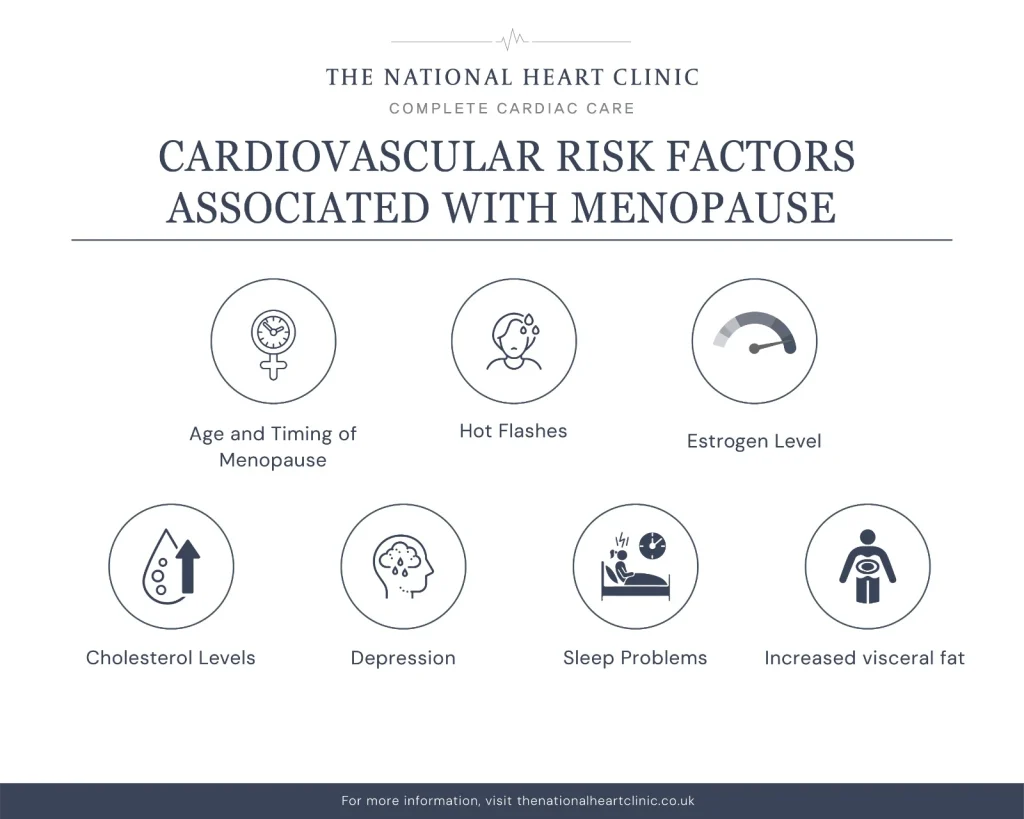
Menopause before the age of 45 can be associated with a higher risk of cardiovascular disease. The decline in oestrogen during menopause can affect blood vessels and cholesterol levels. Women who experience menopause earlier should pay close attention to their cardiovascular health, including blood pressure, cholesterol, blood sugar, weight, and other cardiovascular risk factors.
Hormone replacement therapy (HRT) may be recommended for some women with early menopause to replace hormones that would otherwise continue to be produced until the usual age of menopause. Whether HRT is appropriate depends on individual circumstances, including age, medical history, and cardiovascular risk factors. If you experience menopause before the age of 45, discuss your cardiovascular risk and available treatment options with your healthcare professional.
Heart Health Checklist To Consider In Menopause and Perimenopause
Women who are in their menopause or perimenopausal stage should consider the following check list to track their heart health:
- Check your blood pressure regularly
- Keep track of your LDL cholesterol and triglyceride levels
- Consider screening for pre-diabetes (HbA1C)
- Maintain a healthy weight
- Get your symptoms, such as palpitations, fatigue, or breathlessness, reviewed by your healthcare professional.
- Identify your personal risk factors for taking any hormone therapy
- Discuss your family and medical history with your doctor
What Can Women Do to Protect Their Cardiovascular Health In Menopause?
Menopause is an opportunity for you to check your cardiovascular health. Here are the key steps you can take during perimenopause and menopause stages to minimise the risks of heart disease:
Know your numbers
Get your blood pressure, cholesterol, blood glucose levels, and weight and waist circumference checked by your GP regularly.
Increase Your Physically Activity
Regular physical activity helps you maintain cardiovascular fitness, manage weight, normalise blood pressure and improve general wellbeing. You don’t have to be a marathon runner; rather, regular and gradually increasing activity can make a meaningful difference.
Take a Heart-Friendly Diet
A well-balanced, heart-healthy diet, comprising vegetables, fruits, whole grains, nuts, seeds, pulses, fish, and unsaturated fats, like olive oil, can play a significant role in maintaining optimum cardiovascular health. Avoiding excess salt, saturated fats, processed foods, and added sugars is also essential to improve your cardiac wellbeing and minimise the risk of complications.
Quit Smoking and Alcohol
Quitting smoking and alcohol is one of the most important steps to keep your cardiovascular system healthy. If you can’t stop immediately, try minimising the usage and stopping completely over time to protect your cardiac wellness.
Look After Your Sleep and Anxiety Levels
Menopause can disrupt your sleep with night sweats and anxiety. Sleep deprivation can make it harder to maintain a healthy lifestyle. Relaxation techniques, regular exercise, a consistent bedtime routine, and lifestyle adjustments can help you relieve your symptoms.
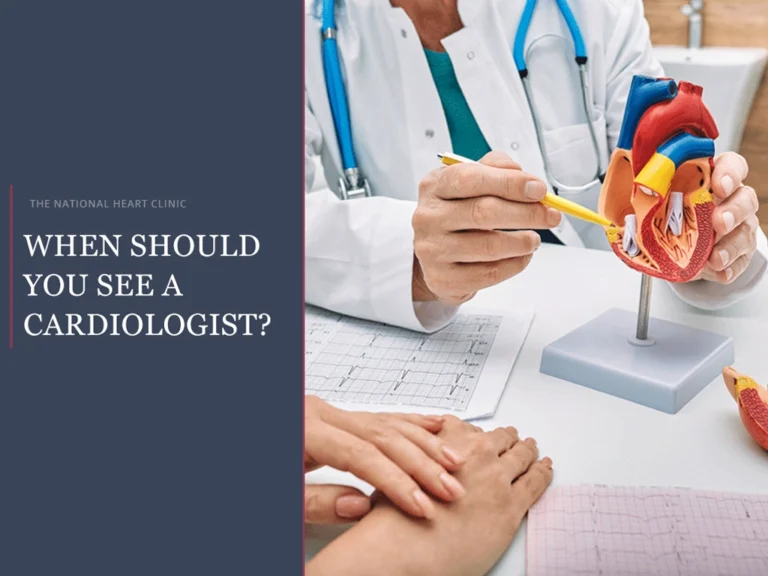
When to Consult a Cardiologist?
A cardiovascular assessment can help identify underlying heart conditions and assess your individual risk of cardiovascular disease. Consider speaking to a cardiologist if you experience:
- Frequent palpitations or irregular heartbeat
- Chest pain, pressure or discomfort, particularly during physical activity
- Unexplained shortness of breath, or a reduced ability to exercise
- Dizziness or fainting episodes
- Uncontrolled Hypertension
- High cholesterol levels
- A strong family history of heart disease
When Should You See a Cardiologist
Conclusion
Menopause marks an important stage in a woman’s life, and the changes in hormones can affect cardiovascular health in different ways. Understanding your heart health, recognising concerning symptoms and managing risk factors can help support long-term wellbeing. If you have concerns about your cardiovascular health during or after menopause, book an appointment with a cardiologist at The National Heart Clinic. An online consultation facility is also available across the UK, making it easier to access specialist cardiac care.
Disclaimer
The information provided in this blog is for general information and educational purposes only. The content is not intended to be a substitute for professional medical advice, diagnosis, or treatment. Always seek the advice of your GP or a qualified medical professional regarding any medical condition. If you are experiencing a medical emergency, please contact emergency services immediately.