What is Interventional Cardiology? An Overview
Interventional cardiology is a specialist area of cardiology that focuses on diagnosing and treating various cardiovascular conditions using minimally invasive, catheter-based procedures. These procedures involve passing thin, flexible tubes called catheters through blood vessels to reach the affected areas. They are commonly used to restore blood flow through narrowed or blocked arteries and treat certain heart conditions, including heart attacks.
In this article, we explain what interventional cardiology is, what it involves, how this speciality differs from general cardiology, and which interventional procedures are used to treat cardiovascular conditions.
Concerned About Your Heart Health?
Speak to a consultant cardiologist, or explore our cardiac tests. Same-day appointments are available at our Harley Street and Richmond clinics.
What is Interventional Cardiology?
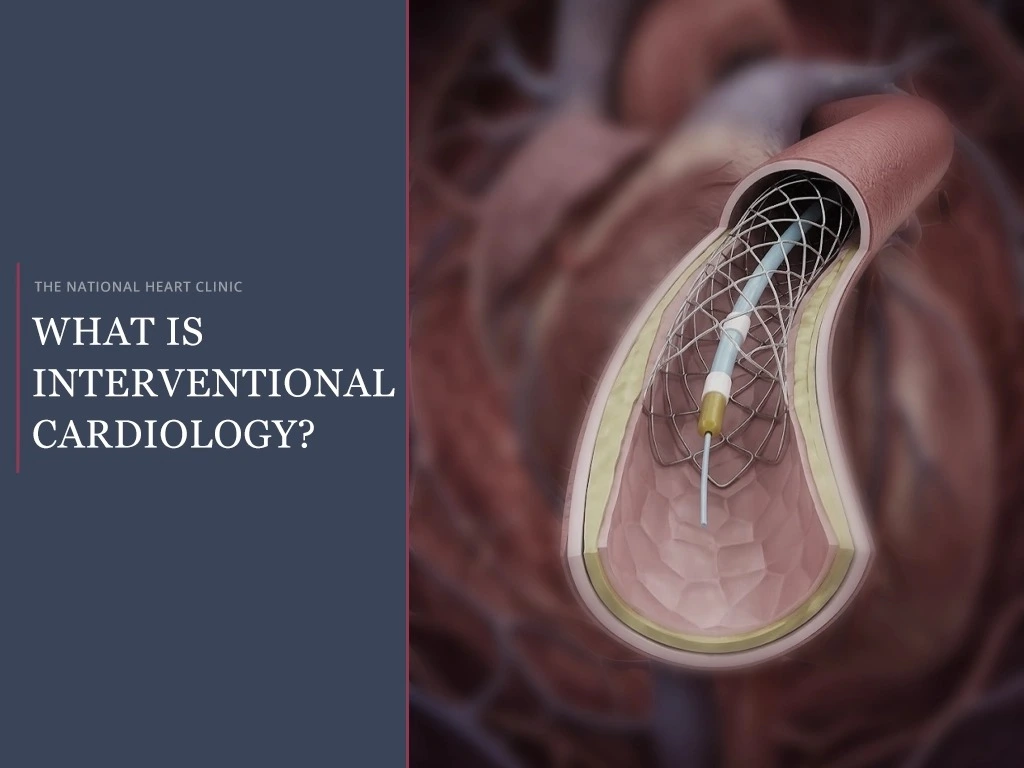
Interventional cardiology involves using catheter-based techniques to diagnose and treat conditions affecting the heart and blood vessels. During these procedures, a cardiologist guides a thin, flexible tube called a catheter through a blood vessel, usually in the wrist or groin, towards the affected area. Specialised instruments are passed through the catheter to carry out treatment.
What Does an Interventional Cardiologist Do?
An interventional cardiologist specialises in diagnosing and treating heart and blood vessel conditions using minimally invasive, catheter-based procedures. Unlike cardiothoracic surgeons, who perform surgical procedures, interventional cardiologists use catheters and specialised instruments to treat certain conditions without the need for open-heart surgery.
Coronary angioplasty and stent placement are two common examples of interventional procedures. These procedures involve detecting a blockage in one of your heart’s arteries and opening the constricted area using a tiny balloon. The area of restricted blood supply can be kept open by placing a stent, where needed.
What do Interventional Cardiologists Specialize In?
An interventional cardiologist specializes in treating various cardiovascular issues, such as:

- Congenital heart conditions
- Aneurysms and blood clots
- Atherosclerosis
- Coronary artery disease
- Structural heart issues
- Chronic total occlusion revascularisation
- Septal defects
- Peripheral artery disease
- Heart valve disease
- Cardiomyopathy
- Carotid artery disease
Common Interventional Cardiology Procedures
Common interventional cardiology procedures include:
- Percutaneous Coronary Intervention (PCI) or Angioplasty: Widens narrowed or blocked coronary arteries using a small balloon or a stent placement to improve blood flow.
- Coronary Angiography: Uses contrast dye and X-rays to identify narrowing or blockages in the coronary arteries.
- Thrombolysis: An emergency treatment that uses medication to dissolve blood clots and restore blood flow, particularly during certain types of heart attack.
- Transcatheter Aortic Valve Implantation (TAVI): Replaces a narrowed aortic valve using a catheter, without requiring open-heart surgery.
- Mitral Transcatheter Edge-to-edge Repair (TEER or MTEER): Uses a specialised clip to reduce leakage through the mitral valve.
- Closing a Hole Between Heart Chambers: Uses a catheter-delivered device to close certain openings, such as an atrial septal defect (ASD).
- Left Atrial Appendage Closure: Seals off the left atrial appendage to reduce the risk of blood clots and stroke in selected patients with atrial fibrillation.
- Peripheral Artery Interventions: Use balloons or stents to widen narrowed or blocked arteries outside the heart.
Difference Between Invasive and Interventional Cardiology
Terms invasive and interventional cardiology are often used interchangeably; however, they’re not the same. Understanding the distinction can help patients know which specialist they need to see for their diagnosis and treatment.
Invasive cardiology is the specialised field that involves diagnostic procedures and therapeutic interventions to get insights into heart and blood vessels. Coronary angiography is a common example, allowing doctors to identify narrowed or blocked coronary arteries.
Interventional cardiology is a subspecialty of invasive cardiology that focuses on treating certain cardiovascular conditions using catheter-based procedures. These include angioplasty and stent placement to treat narrowed coronary arteries, as well as structural heart interventions such as TAVI, mitral TEER, and PFO or ASD closure.
Learn About Diagnostic Cardiology in the UK
When Should You See an Interventional Cardiologist?
You may be referred to an interventional cardiologist if you have a condition affecting blood flow to your heart or require further investigation or treatment for a cardiovascular problem. It may include:
- Coronary artery disease: When the coronary arteries become narrowed or blocked, restricting blood flow to the heart.
- Heart attack: When a blocked coronary artery requires urgent treatment to restore blood flow to the heart muscle.
- Heart valve disease: When a narrowed or leaking heart valve requires a catheter-based repair or replacement procedure.
- Structural heart defects: When conditions such as an atrial septal defect (ASD) require catheter-based closure.
- Peripheral artery disease: When narrowed or blocked arteries outside the heart affect circulation and may require an intervention.
Your cardiologist will assess your symptoms, test reports, and medical history to determine whether an interventional procedure is appropriate. Not every patient with these conditions requires an intervention; some can be managed with medication or other treatment options.
When to See a Cardiac Specialist
What to Expect at Your Interventional Cardiologist Appointment
During your appointment, a consultant interventional cardiologist will evaluate your symptoms, review your medical and family history, and discuss any concerns about your heart health. They may also perform a physical examination, including listening to your heart and checking your blood pressure.
Bring details of your current medications, previous medical records and any recent test results to help your cardiologist assess your condition.
If a procedure is recommended, your cardiologist will explain the complete process, required preparations, benefits and possible risks. Depending on the procedure and your clinical needs, it may be scheduled for a later date or arranged more urgently.
Also read: What to Expect at Your Cardiology Appointment
Conclusion
Whether dealing with structural heart defects, heart valve disease, blood clots, or any other cardiovascular concerns, interventional cardiology offers minimally invasive treatment options for a range of cardiovascular conditions, often without the need for open-heart surgery.
At The National Heart Clinic, patients can access our team of experienced interventional cardiologists with expertise in coronary interventions, angioplasty, stenting and advanced structural heart procedures. Explore our interventional cardiology Consultants to know more about their areas of expertise and book an appointment for specialist advice.
Disclaimer
The information provided in this blog is for general information and educational purposes only. The content is not intended to be a substitute for professional medical advice, diagnosis, or treatment. Always seek the advice of your GP or a qualified medical professional regarding any medical condition. If you are experiencing a medical emergency, please contact emergency services immediately.
Share with Others: