How to Slow Down Heart Rate Naturally? 7 Effective Ways
Your heart rate, or pulse, naturally changes with physical activity, stress, emotions, caffeine intake, and age. For most adults, a normal resting heart rate is around 60 to 100 beats per minute (bpm), although what is normal can vary from person to person. A consistently fast resting heart rate may be linked to factors like stress, dehydration, medications, fever, or an underlying heart rhythm problem.
Staying hydrated, managing stress, regular exercise, and getting good sleep support a healthy resting heart rate. However, a persistently elevated heart rate may need medical attention to find the underlying cause. In this guide, we explain what may be causing a fast pulse, how to slow down your heart rate naturally, and when a high heart rate needs medical assessment.
What is Resting Heart Rate?
A resting heart rate is the number of times your heart beats per minute when you are at rest, like sleeping, sitting, or relaxing. A normal resting heart rate ranges from 60-100 beats per minute; however, it can vary depending on a person’s age, fitness, health condition, stress, medication, and body size. Consistently high resting heart rate may be an indication of a potential health issue that needs proper evaluation.
How to Slow Down Heart Rate Naturally? 7 Practical Tips
Stay Active
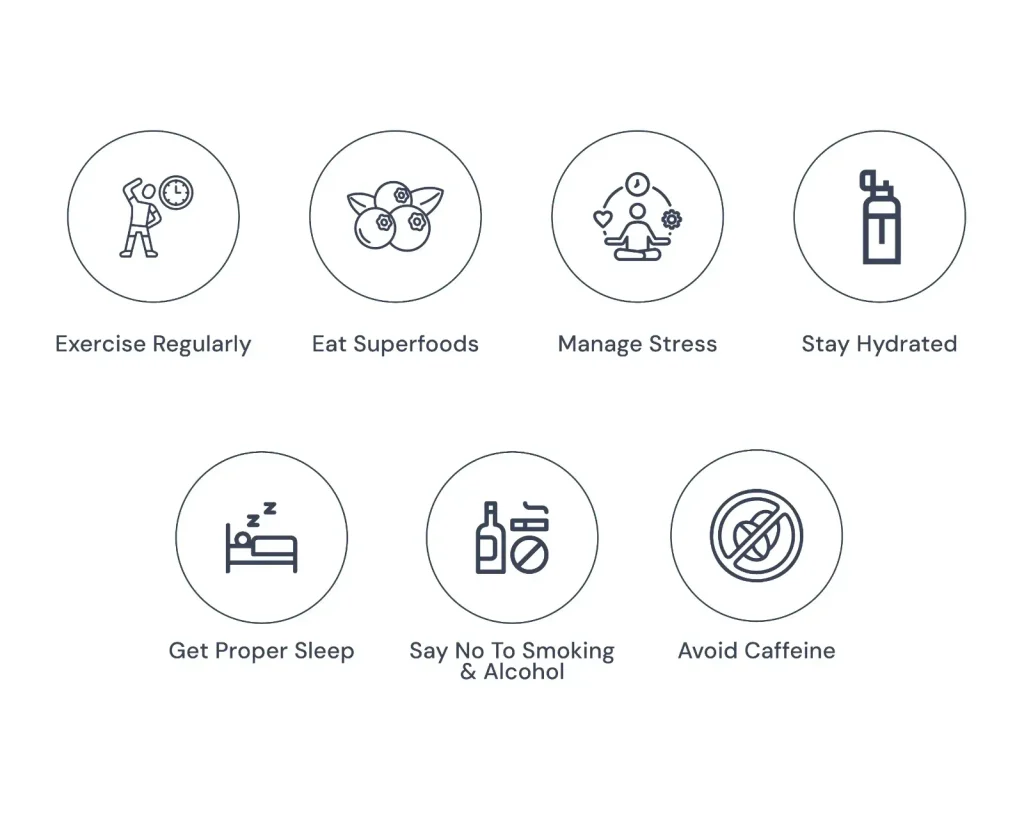
Regular physical activity helps improve your cardiovascular fitness. Over time, your heart can pump blood more efficiently, which may help lower your resting heart rate. Aim for regular activities such as walking, cycling, or swimming, and gradually increase your activity level. If you have an existing heart condition or concerns about your heart rate, it is important to seek medical advice before starting a new exercise routine.
Manage Your Stress
Chronic stress can increase your heart rate and may affect your cardiovascular health over time. Managing stress is therefore an important part of maintaining a healthy heart rate. Identify situations that trigger stress or anxiety and make time for activities that help you relax.
Here are some practical ways to manage stress:
- Incorporate mindfulness into your daily routine.
- Practice yoga and meditation.
- Try deep breathing exercises.
- Use positive affirmations to encourage a more positive mindset.
Improve Sleep Quality
Poor sleep quality and insomnia can affect your cardiovascular health and may cause elevated heart rate. Lack of sleep can also increase stress levels and make it harder to concentrate during the day. To improve your sleep, establish a regular sleep schedule, practise relaxation techniques and meditation, and avoid using your mobile phone shortly before bedtime. These habits can help you sleep better and support a healthy heart rate.
Maintain a Healthy Weight
Being overweight or obese can place additional strain on your heart and may contribute to a higher resting heart rate. If you are overweight, gradual weight loss can help improve cardiovascular health and support a healthier heart rate. Following a heart-healthy diet and staying active are important steps towards maintaining a healthy weight and improving overall heart health.
Focus on Your Diet
A balanced, heart-healthy diet can support normal heart function and overall cardiovascular health. Include plenty of fruits, vegetables, whole grains, lean proteins, low-fat dairy products, and protein-rich foods, such as fish, in your diet. Limit foods high in salt, added sugar, and saturated fat. A nutritious diet can also help you maintain a healthy weight and reduce the risk of conditions that may affect your heart rate.
Quit Smoking
Nicotine stimulates your nervous system and can increase your heart rate and blood pressure. Smoking also damages blood vessels and increases your risk of cardiovascular disease. Quitting smoking can improve your heart health and reduce the strain on your cardiovascular system.
Avoid Alcohol and Caffeine
Caffeine and alcohol can affect your heart rate. Caffeine may cause a temporary increase in heart rate, while alcohol can trigger palpitations or irregular heart rhythms in some people. Reducing your intake and noticing whether these substances trigger symptoms may help you manage your heart rate more effectively.
Understanding Heart Rates: Normal Heart Rate by Age
According to the American Heart Association, the average target heart rate range by age is:
| Age | Average Target Heart Rate |
| 20 Years | 100-170 beats per minute |
| 30 Years | 95-162 beats per minute |
| 35 Years | 93-157 beats per minute |
| 40 Years | 90-153 beats per minute |
| 45 Years | 88-149 beats per minute |
| 50 Years | 85-145 beats per minute |
| 55 Years | 83-140 beats per minute |
| 60 Years | 80-136 beats per minute |
| 65 Years | 78-132 beats per minute |
| 70 Years | 75-128 beats per minute |
Note: These figures are averages, so use them as a general guide.
Why Is Lowering Your Resting Heart Rate Important?
A healthy resting heart rate can indicate that your heart is working efficiently. When your heart pumps blood effectively, it beats in a normal rhythm to meet your body’s needs. A consistently high resting heart rate may indicate that your body is under strain or that an underlying health condition needs attention. In adults, a resting heart rate above 100 beats per minute is generally considered high. If your heart rate remains elevated at rest, seek medical advice to identify the possible cause.
How Long Does It Take to Lower Your Resting Heart Rate?
How quickly your heart rate decreases depends on the underlying cause. If your heart rate becomes high due to exercise, stress, or dehydration, it may return to normal within minutes to hours once the trigger settles. However, lowering your resting heart rate through regular exercise and lifestyle changes can take several weeks or months.
Instead of focusing on a single reading, it is important to monitor your resting heart rate at regular intervals. Notice your triggers. These patterns can help you understand how your daily habits affect your heart rate.
How to Lower Your Heart Rate Immediately?
Lowering your heart rate immediately is usually not possible unless you know the underlying cause. Understanding what is triggering your heart rate to increase may help slow down your pulse in a comparatively short time and avoid sudden spikes. If your heart rate is elevated due to exercise or stress, the following tips may help it return to normal:
- Sit down in a comfortable chair and rest.
- Breathe slowly and calmly.
- Listen to music or do something you enjoy.
- Try a relaxing activity, such as knitting or drawing.
- Practice meditation to help you relax.
- Perform vagal maneuvers, such as putting an ice pack on your face, coughing forcefully, or holding your nose and breathing through the mouth.
Conclusion
A consistently high heart rate may indicate an underlying heart condition that may need medical assessment. If you experience a fast or irregular heartbeat, or are concerned about changes in your pulse, consulting with a cardiologist can help identify the possible cause. At The National Heart Clinic, our experienced cardiologists provide specialist assessments for heart rhythm problems, palpitations, and other cardiovascular concerns. Contact us to book a cardiology appointment for expert advice and personalised care.