Can POTS Cause Seizures? What’s the Connection and Symptoms?
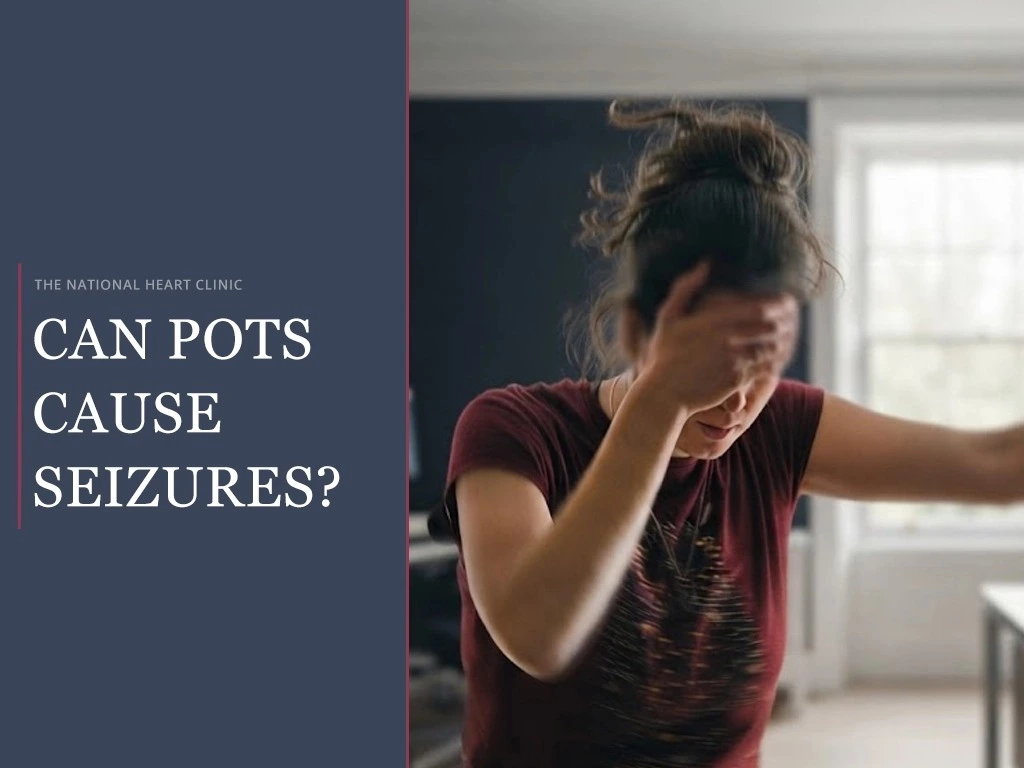
Living with POTS (Postural Orthostatic Tachycardia Syndrome) is very unpredictable in terms of symptoms. You may feel fine one moment and experience dizziness, weakness, or even fainting the next. Some people may also have jerky or shaking movements during an episode, which may feel like a seizure. It can make it difficult to tell whether these movements are related to POTS or indicate a separate neurological condition. Understanding the differences between POTS-related fainting and seizure-like movements and an actual seizure can help you recognise your symptoms and seek appropriate medical assessment.
Understanding POTS and Seizures: What’s the Connection?
Postural Orthostatic Tachycardia Syndrome is a condition in which the heart rate increases suddenly when you change posture, for example, from lying down to standing. It happens because the body’s automatic regulation of blood flow doesn’t work as smoothly as it should.
Seizures, on the other hand, occur due to a sudden burst of abnormal electrical activity in the brain, usually linked to neurological conditions, such as epilepsy.
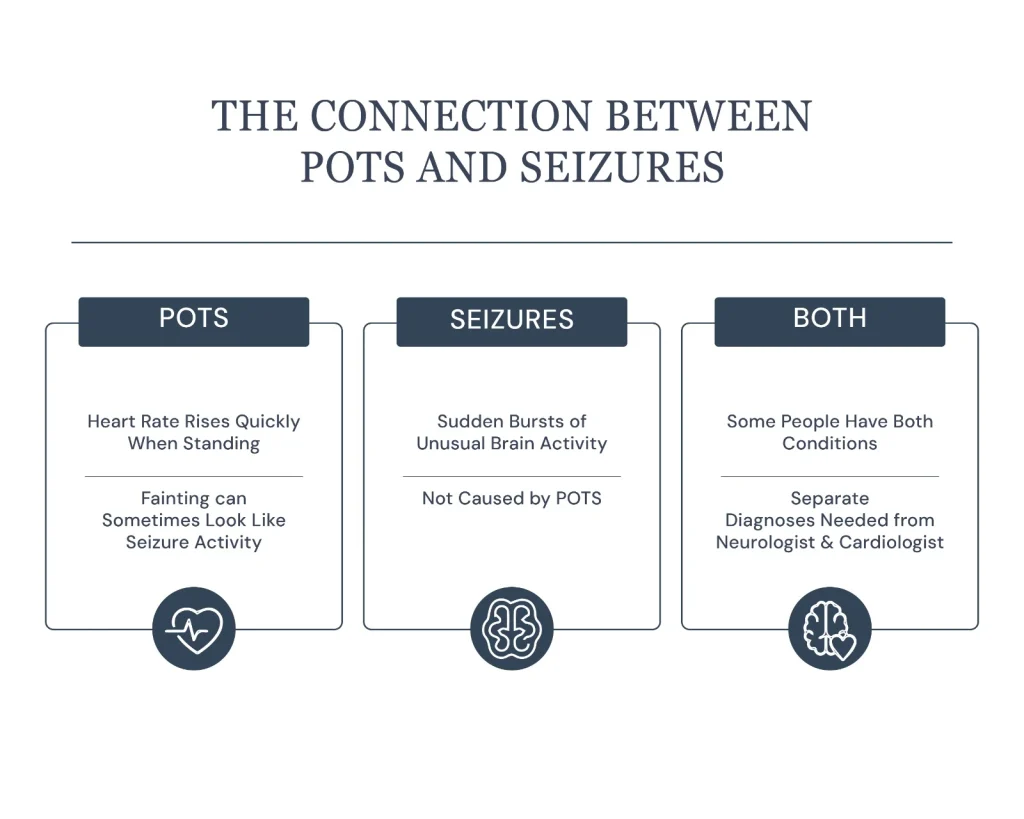
People with POTS may sometimes experience non-epileptic seizures – fainting accompanied by jerking, twitching, or body stiffening. These movements result from abnormal electrical activity caused by temporary oxygen deprivation in the brain. So, actually, POTS and seizures are two separate conditions that have some symptoms in common.
Symptoms of POTS
POTS and an episode of seizure can have some common symptoms, such as:
- Dizziness or lightheadedness
- Shaking or jerking of different body parts
- Headache before or after an episode
- Confusion and Lack of Focus
- Nausea
Can POTS Cause Seizures or Vice Versa?
POTS itself doesn’t cause epileptic seizures. However, some people with POTS may faint because of reduced blood flow to the brain, and fainting can occasionally be accompanied by brief jerking or shaking movements. This is known as convulsive syncope and can look similar to a seizure.
A tilt table test may be recommended to assess how your heart rate and blood pressure respond to changes in posture and help investigate recurrent fainting or suspected POTS. Depending on the symptoms and clinical history, doctors may recommend additional tests to distinguish syncope from seizures or other conditions.
Seizures don’t cause POTS; it may develop due to issues in the autonomic nervous system, causing irregularities in heart rate and blood flow. It can develop after an infection, injury, or illness, or may occur alongside other cardiovascular conditions.
Can You Have Both Conditions?
It is possible to have both POTS and a seizure disorder, as they are separate conditions with different causes and treatment approaches. However, seizure-like movements during a POTS-related fainting episode do not necessarily mean that you have epilepsy.
A thorough medical assessment can help determine whether the episodes are related to POTS, seizures, or another condition. Depending on the symptoms, your doctor may refer you to a cardiologist, neurologist, or both for further evaluation and appropriate treatment.
Key Differences Between POTS and Seizures
| POTS | Seizures | |
| What is it? | An abnormal increase in heart rate while changing posture. | A sudden burst of abnormal electrical activity in the brain. |
| Triggers | Prolonged upright posture or changing body posture. | Dehydration, sleep deprivation, flashing lights, or other medical conditions. |
| Common Symptoms | Rapid heartbeat, dizziness, fatigue, palpitations, fainting. | Loss of conciousness, jerking, stiffening. |
| Fainting | Fainting can occur. | Fainting can occur. |
| Jerking or Shaking | Jerking movements during fainting . | Repetitive jerking movements during seizures. |
| Diagnosis | Tilt Table Test. | ECG and other tests depending on symptoms. |
How to Manage POTS and Seizures?
The management of POTS and seizures depends on the underlying condition, symptoms, age, overall health, and individual treatment needs. POTS is usually managed with lifestyle measures and, when appropriate, medication. The following measures may help with symptom management:
- Stay Hydrated
- Avoid Prolonged Upright Posture
- Stay Physically Active
- Consider Compression Garments
- Avoid Hot Environments
- Manage Stress
- Get Enough Sleep
- Know Your Triggers
Can Seizure Medication Make POTS Symptoms Worse?
Some people may experience dizziness, fatigue, or changes in blood pressure while taking anti-seizure medication. If you develop unusual or persistent symptoms after starting seizure medication, speak to your doctor. They may adjust the dose, change the medication, or its timing based on your symptoms and treatment needs.
Conclusion
POTS and seizures are different conditions, although some POTS-related symptoms, particularly fainting with jerking movements, can sometimes look similar to a seizure. Understanding the difference and a proper diagnosis can help determine if the symptoms are related to POTS, seizures, or another health condition.
Disclaimer
The information provided in this blog is for general information and educational purposes only. The content is not intended to be a substitute for professional medical advice, diagnosis, or treatment. Always seek the advice of your GP or a qualified medical professional regarding any medical condition. If you are experiencing a medical emergency, please contact emergency services immediately.