
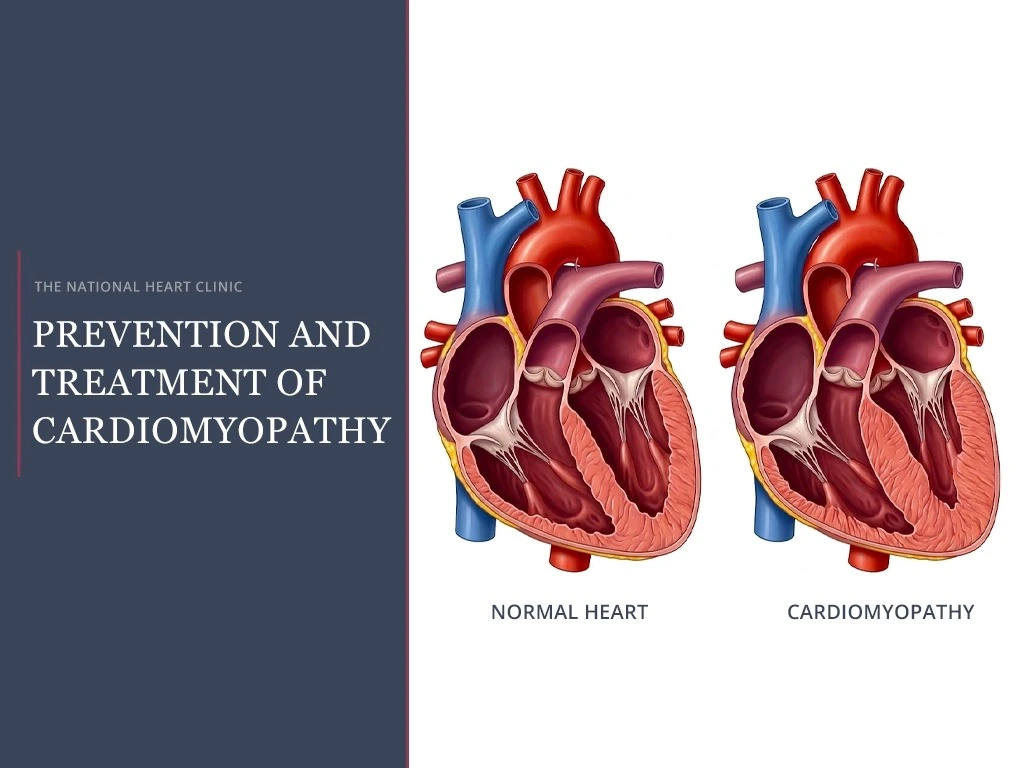
Prevention and Treatment of Cardiomyopathy: Complete Guide
Cardiomyopathy refers to a group of conditions that affect the heart muscle by causing structural or functional abnormalities. Some people may have no symptoms for years, while others may develop complications such as abnormal heart rhythms (arrhythmias), heart failure, blood clots, or sudden cardiac arrest. Early diagnosis and appropriate treatment can help manage symptoms, slow disease progression, and reduce the risk of serious complications.
What is Cardiomyopathy?
Cardiomyopathy is a disease of the myocardium (heart muscle) that makes your heart thick, enlarged, or stiff. As a result, it affects the heart’s blood pumping efficiency, causing breathlessness, fatigue, and palpitations. Unmanaged cardiomyopathy can lead to heart failure over time, and patients may also require a heart transplant.
How Common is Cardiomyopathy?
According to the National Cardiomyopathy Report 2023, around 1 in 250 people in the UK has cardiomyopathy, an estimated 264,000 people. The condition can affect people of any age and is one of the main causes of sudden cardiac death in under-35-year-olds.
Goals of Cardiomyopathy Treatment
The main goals of cardiomyopathy treatment are to manage symptoms, improve heart function where possible, and reduce the risk of complications. Treatment aims to:
- Relieve symptoms, such as breathlessness, fatigue, chest discomfort, and swelling.
- Improve heart function by enhancing its blood pumping efficiency.
- Slow disease progression and prevent worsening of symptoms
- Reduce complications by minimising the risk of heart failure, arrhythmias, blood clots, and sudden cardiac death.
- Managing any conditions that cause or contribute to the cardiomyopathy.
Treatment of Cardiomyopathy
Cardiomyopathy can be acquired – developed due to another disease, condition, or factor – or inherited. Not all forms of cardiomyopathy can be cured, but treatment can help manage symptoms, reduce the risk of complications, and slow disease progression. Management may involve understanding your risk factors, making lifestyle changes, and taking prescribed medication.
Treatment depends on the type and severity of cardiomyopathy, as well as your age and overall health. Some people may not need immediate treatment but need regular monitoring, while others may require proper treatment to manage the symptoms and reduce the risk of complications.
Treatment may include one or more of the following options:
Lifestyle Changes
- Eat a healthy, balanced diet rich in fruits, vegetables, beans, whole grains, lean meats, fish, and low-fat milk. Limit saturated fats, salt, and added sugars to support heart health and help manage cardiomyopathy symptoms.
- Maintain a healthy weight to reduce strain on the heart and support overall cardiovascular health.
- Quit smoking to reduce the risk of further heart complications.
- Manage stress through relaxation techniques and other healthy coping strategies.
- Keep underlying conditions, such as diabetes and high blood pressure, under control.
- Avoid alcohol, as it can worsen some forms of cardiomyopathy.
- Stay physically active and follow your cardiologist’s advice, as certain types of cardiomyopathy may require exercise restrictions.
- Take prescribed medications as directed and attend regular follow-up appointments to monitor your heart health.
Medication
Medicines play an important role in managing cardiomyopathy symptoms, depending on its type and severity. Your cardiologist may prescribe medicines to manage hypertension, control heart rate and rhythm, reduce excess fluid, balance electrolytes, or prevent blood clots. Common medicines used to treat cardiomyopathy are:
- Antiarrhythmics
- Anticoagulants (blood thinners)
- Corticosteroids
- Medicines to manage blood pressure and cholesterol.
These medications can help relieve symptoms, improve heart function, and reduce the risk of complications.
Devices
In some cases, a cardiologist may recommend an implanted device to help manage cardiomyopathy, improve heart function, or reduce the risk of serious complications. These devices include:
Pacemaker: A small device that sends electrical signals to help maintain a regular heartbeat.
Implantable Cardioverter Defibrillator (ICD): An ICD helps maintain a normal heart rhythm by sending an electrical shock to the heart to treat dangerous abnormal rhythms that could lead to sudden cardiac arrest.
Cardiac Resynchronization Therapy (CRT): A device that coordinates contractions between the heart’s left and right ventricles.
Left Ventricular Assist Device (LVAD): An LVAD helps the heart pump blood around the body and can be used as long-term support or while a patient is waiting for a heart transplant.
Medical Procedures
Many people with cardiomyopathy can manage their condition with medication and lifestyle changes. However, if symptoms are severe or the condition progresses, your cardiologist may recommend a procedure to improve heart function, relieve symptoms, or reduce the risk of complications. Procedures may include:
- Alcohol septal ablation
- Catheter ablation
- Heart transplant
- Septal myectomy
Open-heart surgery or a heart transplant may be considered when less invasive treatments and medications are insufficient to manage the condition, depending on its type and severity.
How Can Cardiomyopathy be Prevented?
Cardiomyopathy can be inherited or develop due to an underlying medical condition. Although not all forms can be prevented, managing risk factors and treating conditions that may affect the heart can help reduce the risk of developing certain types. Early diagnosis and appropriate treatment help protect your heart health.
The following steps may help reduce the risk of developing certain forms of cardiomyopathy:
- Improve your lifestyle by following your healthcare professional’s guidance.
- Attend regular heart health checkups, particularly if you have a family history of cardiomyopathy.
- Take your prescribed medications as directed.
- Manage any underlying conditions, such as high blood pressure and diabetes, to protect your heart health.
Book a Preventive Heart Health Check
When to See a Cardiologist?
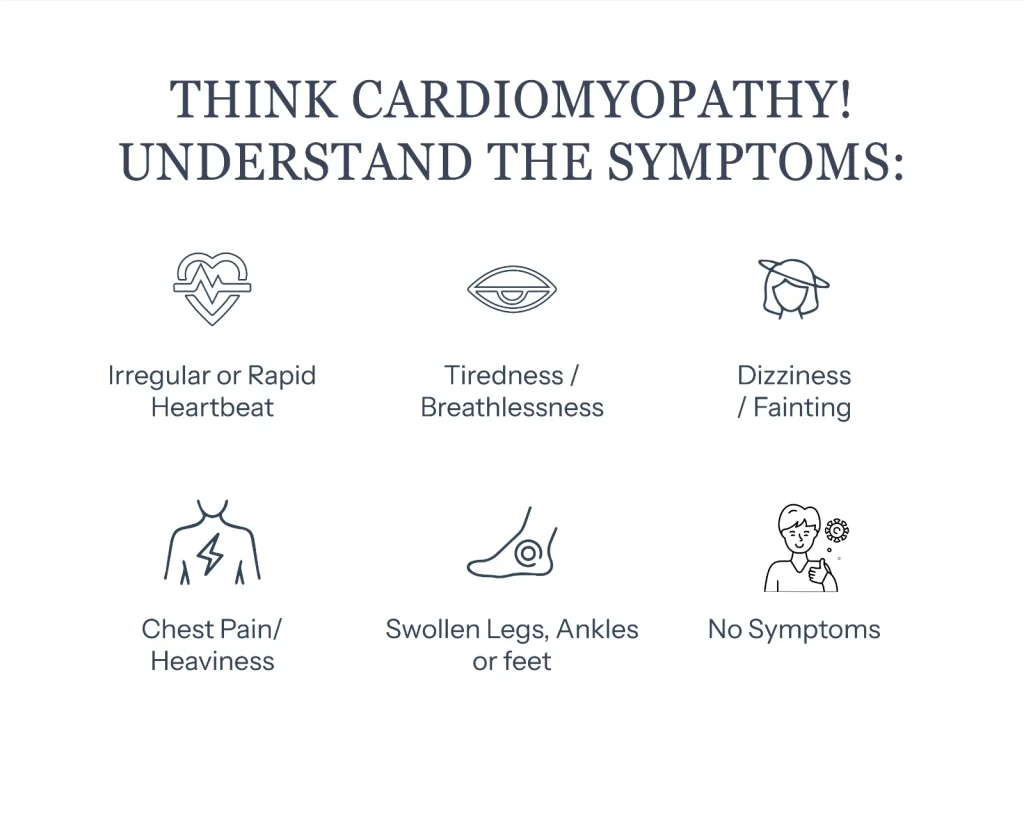
Consult a cardiologist if you experience symptoms that may indicate a heart problem, including:
- Shortness of breath during everyday activities or even when lying down.
- Persistent fatigue or reduced exercise tolerance.
- A rapid, irregular, or pounding heartbeat.
- Swelling in your legs, ankles, or feet.
- Dizziness or recurring episodes of fainting.
- A family history of cardiomyopathy or sudden cardiac death, particularly at a young age.
Early assessment can help detect cardiomyopathy and other heart conditions and access appropriate treatment earlier.
See Our Consultant Cardiologists
When to Seek Emergency Care?
Call 999 immediately if you experience severe symptoms that may indicate a serious cardiac emergency, such as:
- Sudden or severe chest pain or pressure.
- Severe breathlessness
- Severe dizziness or frequent fainting episodes
- A rapid or irregular heartbeat accompanied by chest pain, severe dizziness, or collapse.
Conclusion
Cardiomyopathy can affect heart function and lead to serious complications if left unmanaged. Not all forms can be prevented or cured; early diagnosis, appropriate treatment, and healthy lifestyle choices can help manage symptoms and protect your heart health.
If you have symptoms of cardiomyopathy or concerns about your heart health, consult a cardiologist for expert advice. The National Heart Clinic offers specialist cardiology consultations in London and Richmond, with online consultations also available for patients across the UK. Contact our team to arrange an appointment with an experienced cardiologist and discuss your heart health concerns.
Disclaimer
The information provided in this blog is for general information and educational purposes only. The content is not intended to be a substitute for professional medical advice, diagnosis, or treatment. Always seek the advice of your GP or a qualified medical professional regarding any medical condition. If you are experiencing a medical emergency, please contact emergency services immediately.