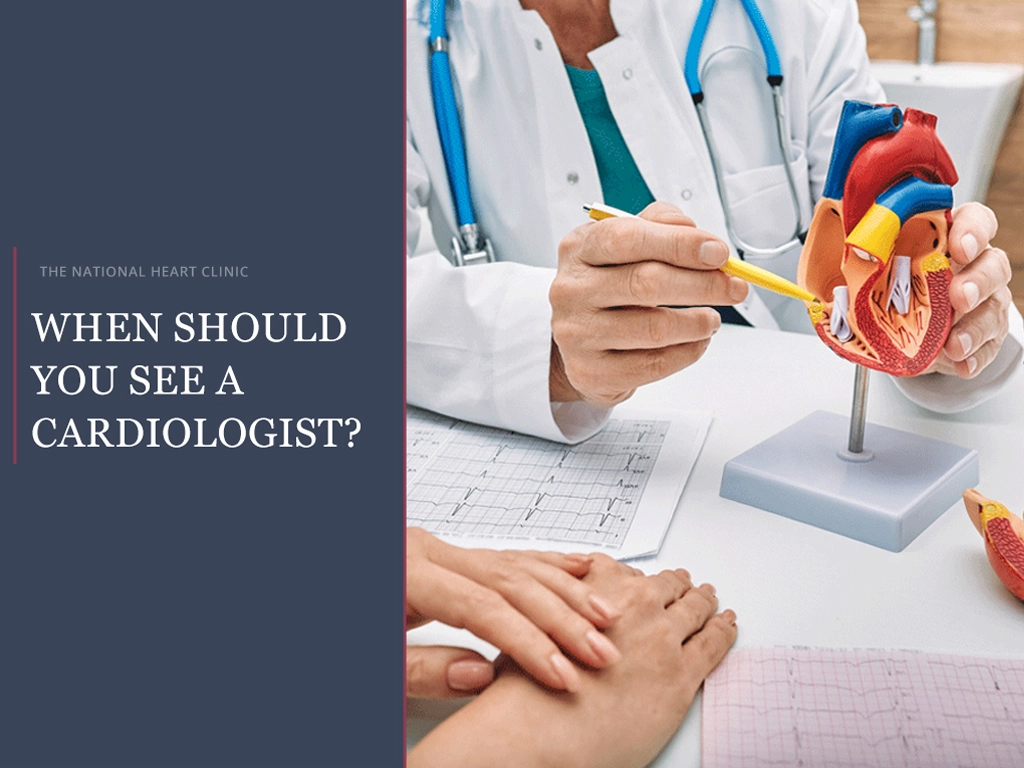
When Should You See a Cardiologist? Signs You Must Not Ignore
Your heart works nonstop – pumping blood, delivering oxygen and nutrients, and keeping every cell in your body functioning. That’s why heart health truly is your lifeline. Ignoring even minor symptoms can lead to serious complications over time, which is why preventive care matters as much as treatment after diagnosis.
Whether you’re noticing early warning signs or simply want to stay proactive about your heart health, this guide is for you. Below, we’ll break down the key symptoms you shouldn’t ignore and when it’s time to see a cardiologist.
Don’t Wait Weeks for Answers
Get fast, specialist-led heart checks with same-day or quick appointments
What Does a Cardiologist Do?
A cardiologist is a doctor who specialises in diagnosing and treating cardiovascular conditions, such as heart rhythm abnormalities, coronary artery disease, heart valve disease, and heart failure. Seeing a cardiologist doesn’t always mean something is wrong – it is often a smart prevention step to detect potential issues before they become serious.
During your visit, a cardiologist performs a physical examination, evaluates your symptoms, and takes a comprehensive family and medical history to get insights into your cardiac health and detect the root cause of issues.
Heart Disease Statistics – BHF
Heart disease affects far more people than most of us realise. According to the British Heart Foundation, cardiovascular disease causes over a quarter of all deaths in the UK – around 170,000 deaths each year, or roughly 460 every day. More than 8 million people in the UK are currently living with a cardiovascular condition.
Heart attacks alone account for around 100,000 hospital admissions in the UK each year; that’s one admission approximately every five minutes. And among all heart conditions, coronary heart disease stands out as the most commonly diagnosed, the leading cause of heart attacks, and one of the biggest causes of death in the UK and worldwide.
These numbers aren’t meant to alarm you; instead, they’re a reminder of why paying attention to your heart health and knowing when to seek expert care can save lives.
When Should You See a Cardiologist? Symptoms You Shouldn’t Ignore
A heart condition doesn’t always show symptoms; sometimes the disease may progress slowly to a more complicated stage. However, there are some common signs you shouldn’t ignore and may require a prompt cardiology review, such as:
- Palpitations or a disturbed heartbeat
- Persistent, unexplained fatigue
- Chest pain or tightness, especially due to physical activity or emotional stress
- Dizziness, blackouts, or fainting episodes
- Swelling in the ankles or legs
Should You See a Cardiologist for Mild or Intermittent Symptoms?
Some symptoms, such as persistent fatigue or breathlessness, can also have non-cardiac causes. Your doctor may recommend blood tests where appropriate to investigate possible causes such as iron deficiency or anaemia. Where iron deficiency is confirmed and intravenous treatment is appropriate, an iron infusion may be considered.
Also, often we ignore infrequent or mild heart symptoms, but they shouldn’t, especially, if you experience the issues repeatedly or they are getting worse over time. For example, if you usually feel palpitations or irregular heart rhythm, or experience breathlessness even with mild activity, visiting a cardiologist at the earliest is essential.
At your appointment, the cardiologist will carry out a physical examination, assess your specific symptoms, and recommend a treatment plan tailored to your needs. In some cases, he may suggest a Holter monitor for prolonged heart monitoring to catch hidden or infrequent episodes that don’t show up during a standard check-up.
Detecting a health issue earlier can prevent serious complications and help you manage your cardiovascular health in the best way.
Also Read: Is GP Referral Needed for a Private Heart Scan in the UK?
No Symptoms? Here’s Why Preventive Heart Checkups Still Matter
Most people wait until symptoms show up before getting their heart checked. But that’s not always the best approach. Sometimes prevention matters more than treatment, especially when it comes to your heart.
If you’re over 40, a preventive heart checkup can play a big role in keeping your cardiovascular health on track. It matters even more if you have a family history of heart disease, high blood pressure, or diabetes. Catching problems early, before symptoms even appear, often makes them far easier to treat.
Preventive checks aren’t just for people with risk factors either. If your job is physically demanding, or you train hard through intense workouts, a heart checkup can give you peace of mind that your heart is performing well. In both cases, a proper cardiology review can offer real clarity and a prevention plan built around you.
Private Vs NHS Cardiology Care
Choosing between private care and the NHS depends on a few factors: your budget, whether you have health insurance, and the kind of treatment you need. If avoiding long waits for checkups or treatment is a priority, private clinics are usually the better option. But if you’re looking to keep costs down, or you need emergency or urgent care, the NHS remains the right choice.
Here is a quick comparison between both care options:
| NHS Cardiology Care | Private Cardiology Care | |
|---|---|---|
| GP Referral | Usually required | Not needed, you can often book directly |
| Waiting Time | A few weeks to several months | Bookings mostly available at the same or next-day |
| Test Results | Take time depending on the demand | Fast, often same-day or within days |
| Cost | Free | Paid, but can be covered by health insurance |
Why Choose The National Heart Clinic for Expert Cardiac Care?
- No GP Referral required
- Convenient bookings
- Flexible, same-day or next-day diagnostics
- Modern, state-of-the-art clinic facilities
Book Your Cardiology Consultation
Whether you’re noticing symptoms or simply want peace of mind, seeing a cardiologist early plays a significant role in protecting your heart health. Don’t Wait for Symptoms to Appear. Book a comprehensive heart checkup with our cardiac specialists at The National Heart Clinic, Harley Street, London. Early screening today can protect your heart for years to come. Contact us to schedule your appointment.
Disclaimer
The information provided in this blog is for general information and educational purposes only. The content is not intended to be a substitute for professional medical advice, diagnosis, or treatment. Always seek the advice of your GP or a qualified medical professional regarding any medical condition. If you are experiencing a medical emergency, please contact emergency services immediately.