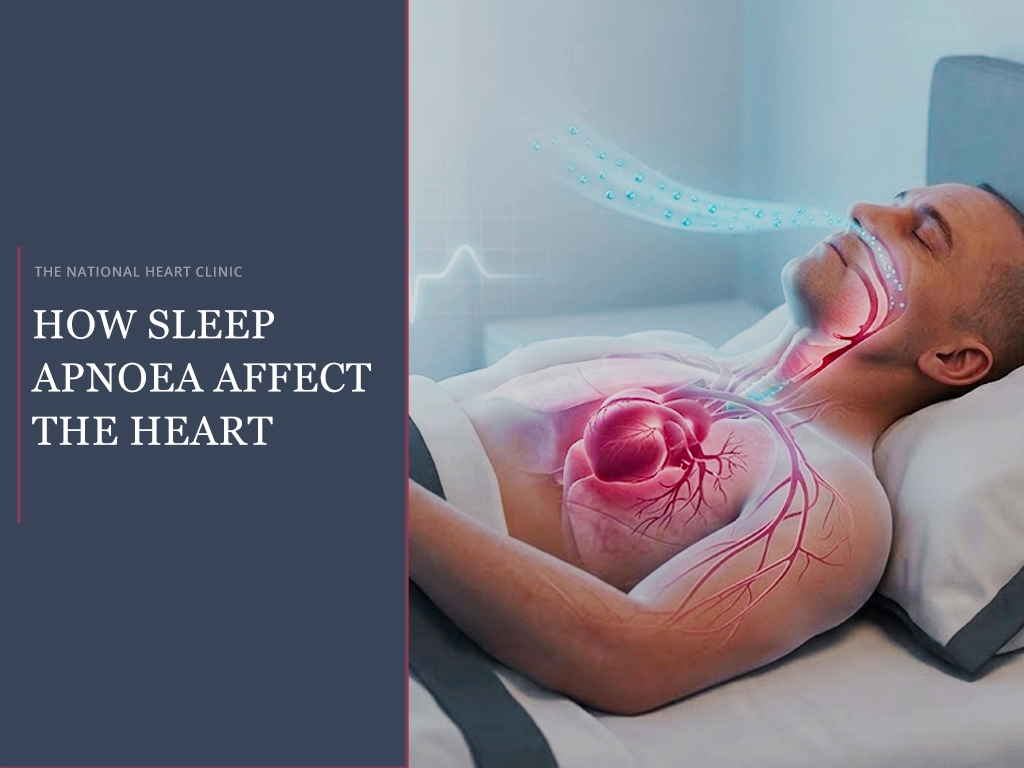
How Sleep Apnoea Affect the Heart? Complete Guide
Your body heals itself, regulates blood pressure, glucose, cholesterol, and metabolism while you sleep. Poor sleeping patterns are one of the leading causes of stress, anxiety, and cardiovascular complications. In particular, sleep apnoea, a condition in which breathing is repeatedly interrupted and becomes very shallow during sleep, can cause various heart-related issues.
If you snore excessively, wake up at night gasping, or your sleep is interrupted multiple times, these can be the signs of sleep apnoea, and it’s worth discussing with your doctor. In this blog, we explained how sleep apnoea affects the heart and how it can be treated.
What is Obstructive Sleep Apnoea?
Obstructive Sleep Apnoea (OSA) is a short-term interruption in breathing due to a temporary blockage in the airways during sleep. In this condition, the muscles in your throat relax too much and block the upper airway.
Although it seems to be harmless, over time, these disruptions in breathing can cause serious health issues, such as metabolic disorders, depression, and cardiovascular diseases.
OSA can affect everyone, but obesity is a leading factor. Also, men over 40 are more likely to have sleep apnoea, especially if they are overweight.
What are the Symptoms of Sleep Apnoea?
The common symptoms of sleep apnoea include:
- Frequent sleep interruptions, sometimes as many as 30 times per hour
- Loud snoring or choking noises during sleep
- Sleepiness and extreme tiredness during the day
- Morning headaches
- Difficulty concentrating
- Anxiety and depression
How Sleep Apnoea Affect the Heart?
According to Harvard Medical School, people with untreated sleep apnoea are twice as likely to have a heart attack compared with those who don’t have this disorder.
This is because every time a person with sleep apnoea experiences a breathing interruption, the body’s oxygen level drops. In response, the body releases adrenaline, a stress hormone, to cope with the situation. Over time, elevated adrenaline levels can cause hypertension and damage blood vessels.
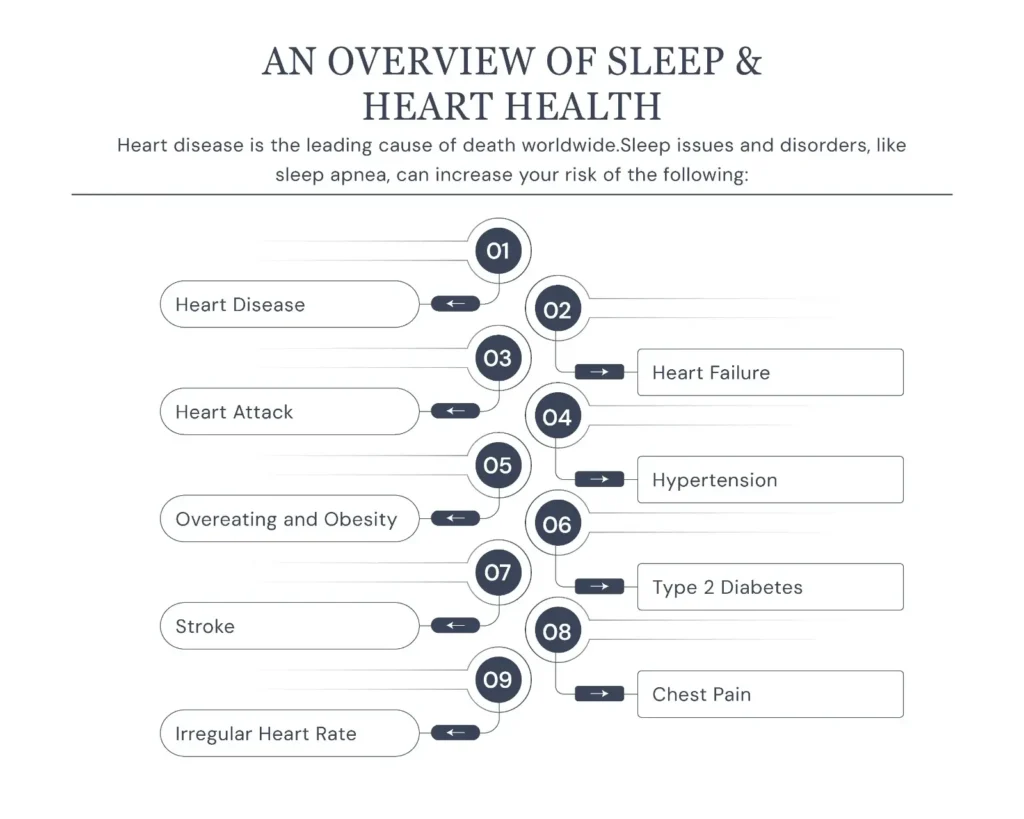
Additionally, repeated sleep disturbances can raise LDL cholesterol, contributing to clogged arteries and cardiovascular issues, such as heart attack, heart failure, and stroke.
Is Sleep Apnoea Dangerous?
Sleep apnoea is not life-threatening in itself, but if left untreated, it can lead to severe complications over the long term. Each episode involves a temporary drop in oxygen levels, along with a rise in heart rate, blood pressure, and adrenaline. Over time, these effects can contribute to serious cardiovascular problems.
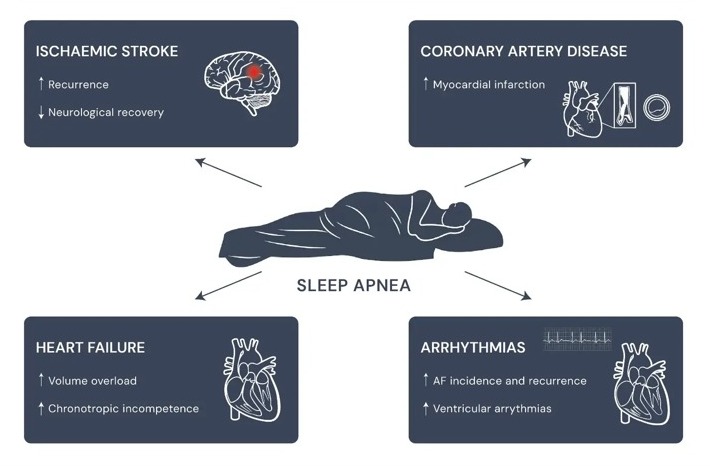
6 Cardiovascular Consequences of Sleep Apnoea: Explained by an Expert Cardiologist
Dr Francesco Lo Monaco, consultant cardiologist at The National Heart Clinic, London, outlines six cardiovascular consequences of sleep apnea.
Persistent High Blood Pressure
Frequent sleep obstruction keeps your body in a constant state of stress. It repeatedly sends a ‘shock’ signal through the body, causing blood pressure to rise.
Coronary Artery Disease and Heart Attacks
Falling oxygen levels caused by repeated sleep interruptions inflame and irritate the arteries. This leads to a buildup of fat in the heart arteries, increasing the risk of a heart attack.
Heart Failure
If left untreated for a long period, sleep apnoea puts extra strain on the heart’s pumping function, making the heart muscle thicker, stiffer, and weaker over time. These changes can lead to serious cardiovascular complications, including heart failure.
Atrial Fibrillation and Heart Rhythm Problems
Low blood oxygen and reduced pumping efficiency can cause heart rhythm abnormalities. If left unchecked, this can lead to atrial fibrillation, a rhythm abnormality affecting the heart’s upper chambers (atria).
Stroke
Dr Lo Monaco explains that sleep apnoea can raise blood pressure, increase the risk of atrial fibrillation, damage blood vessels, and cause clotting. People with untreated moderate-to-severe sleep apnoea experience more strokes and mini-strokes, even after accounting for age and other factors.
Earlier Cardiovascular Death
Untreated, long-term sleep apnoea can lead to coronary artery disease, heart failure, rhythm disorders, and stroke. According to Dr Lo Monaco, people with moderate-to-severe untreated sleep apnoea are more likely to die early from heart and circulation-related causes.
How is Sleep Apnoea Diagnosed and Treated?
With proper diagnosis and timely treatment, sleep apnoea can be cured. If you are experiencing symptoms, talk to your doctor and discuss all issues in detail. Most of the time, losing weight, adjusting your sleeping posture, and making some lifestyle modifications can help reduce the symptoms.
However, if your condition gets worse over time, or you feel some cardiac symptoms as well, speak to your doctor and get expert advice on priority.
If you have heart disease, your doctor may assign specific treatments such as:
- Lifestyle changes
- Medication
- Surgery
- Cardiac rehabilitation
- A pacemaker
Lifestyle Adjustments
- Losing weight
- Managing stress
- Controlling blood pressure, cholesterol, and triglyceride levels
- Getting quality sleep
- Quitting smoking
- Limiting alcohol
- Following a well-balanced, healthy diet, rich in antioxidants and low in sugar, sodium, and saturated fats
Continuous Positive Airway Pressure (CPAP) Devices
CPAP devices pump air through the airway, preventing the upper airway from collapsing during sleep.
Oral Appliances
Oral appliances regulate breathing during sleep by changing the position of the jaw or tongue to help prevent airway constriction.
Surgery
Surgery may involve treating airway constriction or implanting devices that cause tightening of the muscles around the airway.
Conclusion
Sleep apnoea is more than just a sleep disorder – its long-term effects on the cardiovascular system can be serious. From high blood pressure and irregular heart rhythms to an increased risk of heart attack and stroke, sleep apnoea can cause complications if left untreated for long. However, with early diagnosis and the right treatment, many of these risks can be managed or even reversed.
If you’re experiencing symptoms of sleep apnoea, early expert advice can help you prevent complications. Book a consultation with a specialist cardiologist at The National Heart Clinic today and take the first step towards improved cardiovascular health and better sleep.
Disclaimer
The information provided in this blog is for general information and educational purposes only. The content is not intended to be a substitute for professional medical advice, diagnosis, or treatment. Always seek the advice of your GP or a qualified medical professional regarding any medical condition. If you are experiencing a medical emergency, please contact emergency services immediately.