Dizziness During Exercise: Can It Be a Sign of Heart Problem?
Feeling lightheaded or dizzy during exercise or workouts can happen for several reasons. It may be caused by a drop in blood pressure, low blood sugar, tiredness or dehydration. However, in some cases, it can also indicate an underlying cardiac issue or an exercise-induced heart problem. Frequent episodes of dizziness during exercise, particularly when accompanied by chest pain, breathlessness, or an irregular heartbeat, may indicate an underlying heart condition.
Identifying the cause early can help determine whether dizzy spells during exercise are related to general health factors or a serious cardiac concern. In this article, we mention the common causes of dizziness during exercise, when it may indicate a heart problem and when to seek advice from a cardiologist.
Concerned About Your Heart Health?
Speak to a consultant cardiologist, or explore our cardiac tests. Same-day appointments are available at our Harley Street and Richmond clinics.
Common Causes of Dizziness During Exercise
Feeling dizzy and lightheaded during exercise or workout is quite common and is mostly manageable. However, if it occurs more frequently or alongside chest discomfort, shortness of breath, or extreme fatigue, it’s crucial to stop exercising and seek urgent medical advice.
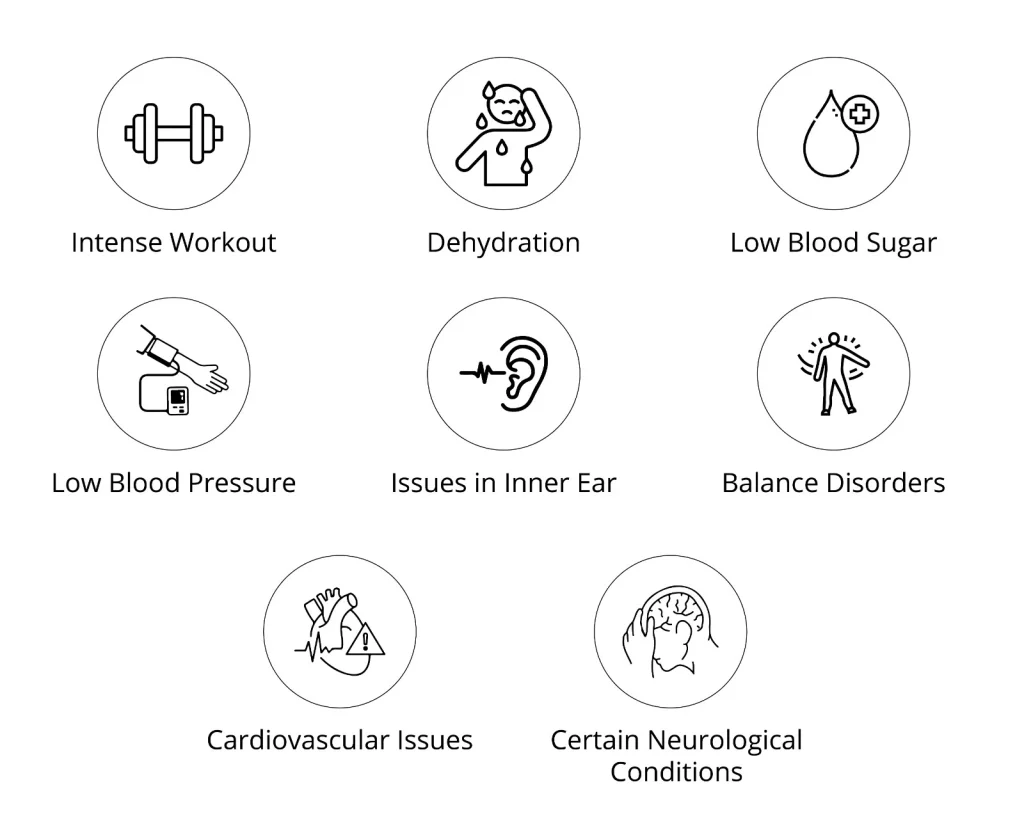
Here we mention some common causes of dizzy spells during exercise and why they occur:
Low Blood Sugar
Low blood glucose (hypoglycaemia) is a common cause of dizziness during exercise. It can occur when you work out without eating enough beforehand or exercise for a prolonged period without replenishing your energy.
This is particularly common in people with diabetes, who skip their routine meal or don’t take insulin before workout. Endurance athletes, including those training for marathons and triathlons, may also experience a drop in blood glucose during prolonged exercise.
Low Blood Pressure
Low blood pressure (Hypotension) during or after exercise can cause dizziness and lightheadedness. This may happen when you stop exercising suddenly, particularly after intense physical activity, as it can cause the blood to temporarily pool in your legs and briefly affect the blood supply to the brain, making you feel dizzy.
Intense Workout
Overexertion is another possible reason for feeling lightheaded during exercise. This is more likely if you are not used to intense physical activity, increase your workout intensity too quickly or do not allow enough time for recovery.
Pushing your body beyond its current fitness level can affect your breathing, circulation and energy levels. Gradually increasing the intensity and duration of your workouts, taking regular breaks and staying hydrated can help reduce the risk of dizziness.
Balance Disorders
Certain neurological conditions, including Parkinson’s disease and stroke, affect the body’s coordination and balance. People with these conditions may experience dizziness or loss of balance during physical activity, increasing their risk of falls.
Inner Ear Infections
The inner ear plays an important role in maintaining balance. An infection, inflammation or other inner ear problem can disrupt this system and cause dizziness, particularly during activities involving head movements. One common condition is benign paroxysmal positional vertigo (BPPV), which causes brief episodes of spinning dizziness when you change your head position. Movements during yoga, Pilates and other workouts may trigger these symptoms.
Dehydration
Dehydration and an imbalance of electrolytes can contribute to dizziness and lightheadedness during exercise. When you lose more fluids through sweating than you replace, your blood volume can decrease, making it harder for your body to maintain normal blood pressure. This is particularly common during prolonged workouts and exercise in hot weather.
Neurological Conditions
Certain neurological and autonomic nervous system conditions can affect blood pressure, heart rate and circulation, leading to dizziness during exercise. One example is postural orthostatic tachycardia syndrome (POTS), a condition in which the heart rate increases abnormally when a person changes posture from lying or sitting to standing up. Conditions such as stroke can also affect balance and coordination, making physical activity more difficult.
When Dizzy Spells While Working Out Can Be Heart-Related?
Dizziness during a workout doesn’t always mean something is wrong with your heart. Often, it is caused by some general health issues. Here we explain some cardiac causes of exercise-induced dizziness:
Coronary Artery Disease
Reduced blood supply to the heart muscle due to narrowing of coronary arteries can cause dizziness, especially during exercise or physical activity. The intense workout can trigger syncope or angina.
Heart Valve Disease
Narrowing of heart valves restricts the blood supply, causing exertional dizziness and fainting. Aortic valve disease is a common heart valve disorder causing these symptoms.
Arrhythmia
An irregular heart rhythm, such as atrial fibrillation or tachycardia, can disrupt the normal blood flow to the brain, causing symptoms such as dizziness, breathlessness, and fatigue.
Congestive Heart Failure
Congestive heart failure (CHF) is when your heart can not pump adequate oxygen-rich blood throughout the body, causing symptoms such as dizziness or fainting.
When to See a Cardiologist?
See a cardiologist promptly if you experience any of these symptoms alongside dizzy spells during exercise:
- Chest discomfort, pain, heaviness, or tightness.
- An irregular heartbeat that feels like a racing, fluttering, or skipped heartbeat
- Extreme breathlessness and fatigue
- Fainting or near fainting
- Family history of heart disease
How Our Specialists Investigate the Underlying Cause
At The National Heart Clinic, our cardiac specialists take the time to understand your symptoms, review your medical and family history, and consider lifestyle factors that may be contributing to dizziness during exercise. Following a physical examination, your cardiologist may recommend further diagnostics to check how well your heart is functioning.
Depending on your symptoms and medical history, these may include:
- Electrocardiogram (ECG): Records the electrical activity of your heart to identify irregular heart rhythms that may cause dizziness.
- Echocardiogram: Uses ultrasound to evaluate the structure of your heart, its valves and how effectively it pumps blood.
- Stress Echocardiogram: Helps your cardiologist check how your heart functions under physical stress to identify possible reasons for dizziness during workouts.
- Exercise Tolerance Test (ETT): Helps monitor your heart rate, rhythm and blood pressure while you exercise, helping identify potential cardiac causes of dizziness during physical activity.
These investigations give your cardiologist clear insights into your heart health and help determine whether your symptoms may be related to an underlying cardiac condition.
Conclusion
Dizziness during exercise can have several causes, ranging from dehydration and low blood sugar to underlying heart conditions. While occasional lightheadedness may not indicate a serious problem, frequent episodes, particularly with chest pain, breathlessness or palpitations, should not be ignored.
If you experience unexplained dizziness during exercise, book a consultation with a consultant cardiologist at The National Heart Clinic and seek expert advice tailored to your heart health needs. You can schedule both face-to-face and online consultations as per your convenience.